Tracing Fund Pathways Through Carrier Billing to Prize Awards in Unrestricted Mobile Gaming Apps
Riley Schmidt · Jul 7, 2026
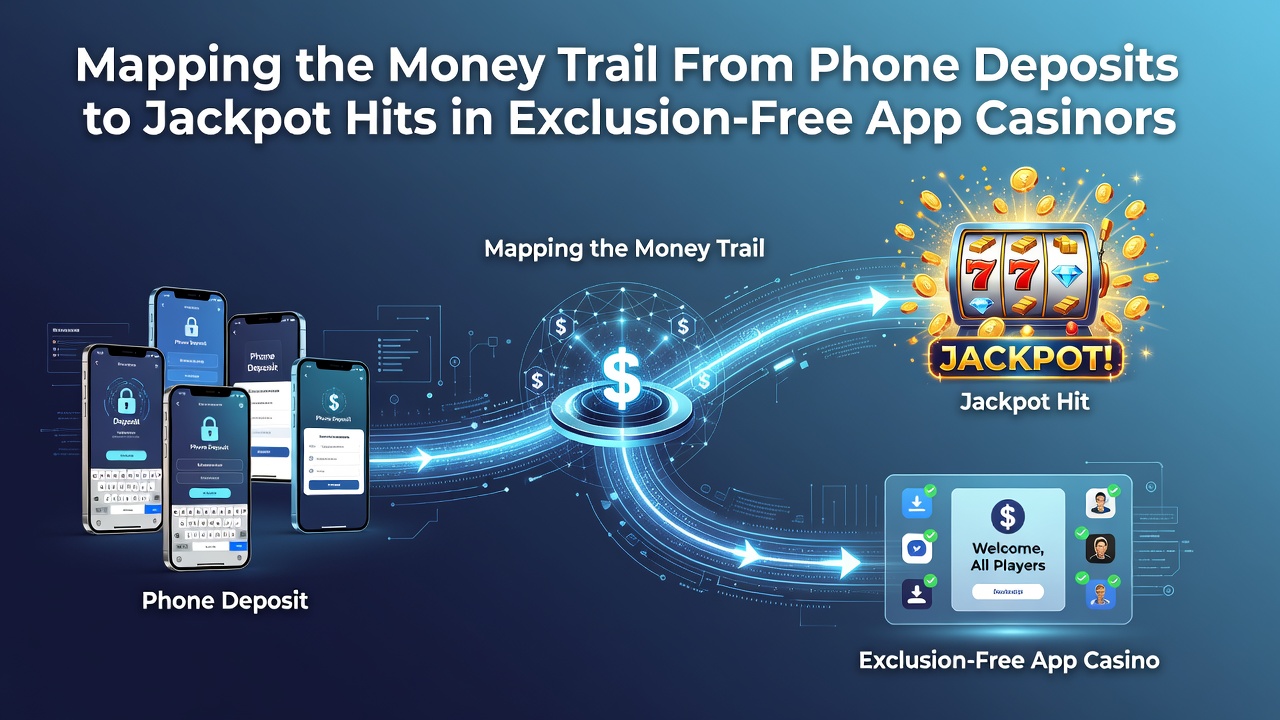
Tracing Fund Pathways Through Carrier Billing to Prize Awards in Unrestricted Mobile Gaming Apps
Understanding Carrier-Based Deposit Mechanisms
Phone deposits operate through direct carrier billing where users authorize charges via SMS confirmation or app integration and the mobile operator processes the transaction before forwarding funds to the gaming platform, while operators in exclusion-free environments maintain separate account ledgers that do not interface with national self-exclusion databases. Data from payment processors shows these transactions typically complete in under 30 seconds with settlement occurring through established billing agreements between carriers and third-party aggregators.
July 2026 saw several carriers update their compliance protocols for high-volume gaming merchants yet the core flow from user authorization to platform credit remained consistent across multiple jurisdictions. Observers note that transaction records stay with the carrier for a defined retention period before aggregated reports reach gaming operators without individual player identifiers crossing exclusion boundaries.
Fund Allocation Within Platform Systems
Once credited the funds move into segregated operational accounts where a portion supports game mechanics including random number generator pools that determine jackpot triggers and progressive contributions. Research indicates that jackpot contributions often represent between 1 and 3 percent of each wager depending on game configuration and these amounts accumulate across player sessions until a qualifying win condition activates payout sequences.
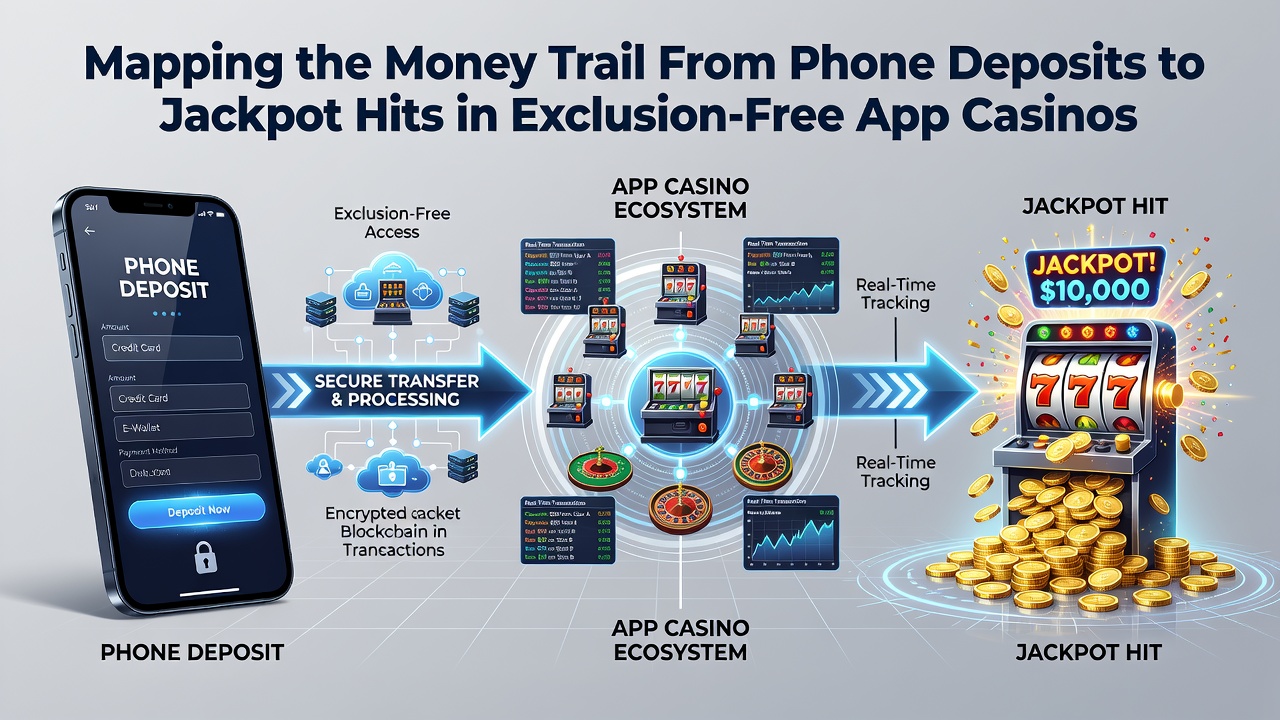
Those who have examined transaction logs describe how software records each debit from the player balance against the corresponding entry in the jackpot meter creating an auditable trail from initial deposit through multiple game rounds to eventual prize distribution. Platforms operating outside exclusion frameworks keep these records internally without mandatory sharing requirements that apply in other regulatory models.
Real-World Transaction Examples and Patterns
Take one documented case from an offshore operator where a player initiated a £20 carrier charge that entered the platform balance within moments and contributed fractions of a penny to several linked jackpot pools before a bonus round produced a win exceeding £4,000. Such sequences illustrate how small incremental allocations from numerous deposits build the prize reservoirs that later deliver larger awards.
Another instance involved repeated micro-deposits over a single evening that collectively funded extended play sessions leading to a progressive jackpot hit with the carrier billing records showing only the total authorized amount rather than granular game-level breakdowns. Figures reveal that average deposit values in these environments range from £10 to £50 per transaction with higher volumes occurring during evening hours across European and Asian markets.
Security and Verification Layers in Payment Flows
Encryption protocols protect the authorization step between device and carrier while operators apply additional risk scoring based on velocity and amount patterns before releasing credits for play. According to reports from the American Gaming Association mobile billing adoption grew steadily through 2025 with continued expansion projected into late 2026 as more jurisdictions clarify taxation rules for carrier-mediated revenues.
Yet verification remains lighter than traditional banking routes since carriers already hold verified subscriber data reducing the need for repeated identity checks at the gaming platform level. This streamlined process supports the exclusion-free model where platforms prioritize rapid access over cross-referenced restriction lists.
Regulatory Context Across Multiple Regions
Analysts point to frameworks in Australia and parts of Canada where carrier billing falls under broader electronic payment regulations rather than gambling-specific licensing in every instance. A study published by the Australian Institute of Family Studies examined transaction volumes in offshore mobile gaming and found that phone-based deposits accounted for approximately 18 percent of activity among users accessing sites outside local exclusion schemes during the first half of 2026.
These findings highlight how money trails remain traceable through carrier records even when gaming platforms themselves operate with minimal linkage to domestic self-exclusion systems. Patterns show seasonal spikes around major sporting events and holiday periods with corresponding increases in jackpot contributions and award frequencies.
Conclusion
The mapping of funds from initial phone deposit through platform allocation to jackpot resolution reveals a structured sequence reliant on carrier infrastructure and internal game accounting. Data continues to accumulate through 2026 showing sustained usage of these methods in environments that function independently from centralized exclusion protocols. Observers continue to monitor how evolving carrier policies and regional payment rules shape the visibility and traceability of these financial pathways in mobile gaming applications.