The Path of Real-Time Protocols in Virtual Card Rooms Through External App Connections
Yves Richter · Jul 31, 2026
The Path of Real-Time Protocols in Virtual Card Rooms Through External App Connections
Virtual card rooms began with basic server-client setups in the late 1990s that relied on simple polling methods to update game states, yet these systems quickly gave way to more efficient solutions as player numbers grew and expectations for seamless play increased. Developers shifted toward persistent connection technologies that allowed continuous data flow between players and game servers, and this change supported features such as instant chat, real-time betting, and synchronized card reveals across multiple tables.
Early Foundations and Protocol Shifts
Initial implementations used protocols like IRC for text-based interactions while game logic ran on separate sockets, but the combination often led to latency issues during peak hours. Research from industry bodies shows that by the mid-2000s many platforms adopted WebSocket standards to replace polling, which reduced server load and delivered updates in milliseconds rather than seconds. Those who studied early virtual environments note that this transition coincided with the rise of mobile access, prompting developers to explore ways to link game sessions with external billing systems.
Integration of Mobile App Layers
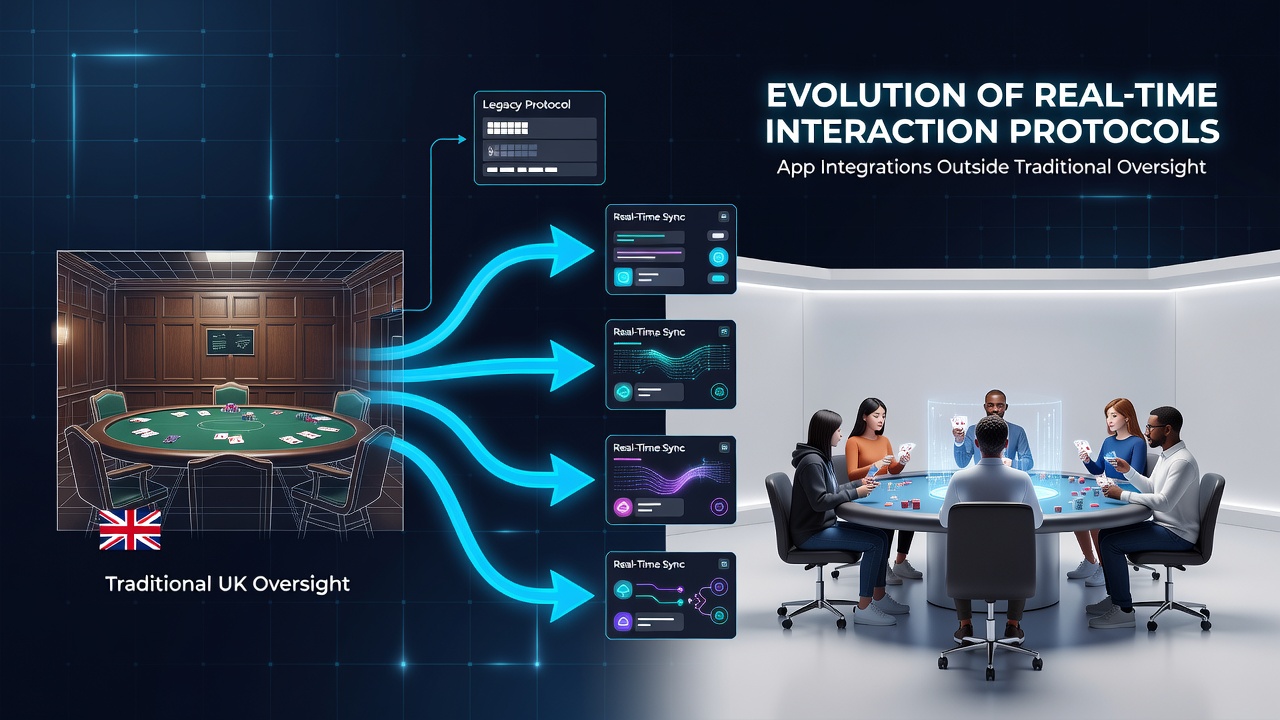
App integrations emerged as carriers offered direct billing options for deposits and withdrawals, allowing platforms to embed payment triggers inside the same interface used for gameplay. Data from international gaming associations indicates that these connections expanded rapidly after 2015 when API standards for carrier billing matured, and operators outside traditional oversight zones adopted them to streamline player entry without additional verification steps. Observers point out that such links also enabled real-time notifications for table invites or balance changes, which kept sessions active longer and reduced drop-off rates during live dealer sequences.
Technical Advances in 2026
By July 2026 several virtual card room operators had incorporated WebRTC alongside existing WebSocket frameworks to support video streams of dealers and fellow players while maintaining low bandwidth demands on mobile networks. Figures from Canadian regulatory reports reveal that these combined protocols handled thousands of concurrent connections per server cluster, and the architecture allowed dynamic scaling when traffic spiked during major tournament events. Experts have observed that the addition of app-based triggers for instant top-ups via phone accounts further reduced friction, letting players stay in virtual card rooms without exiting the main interface.
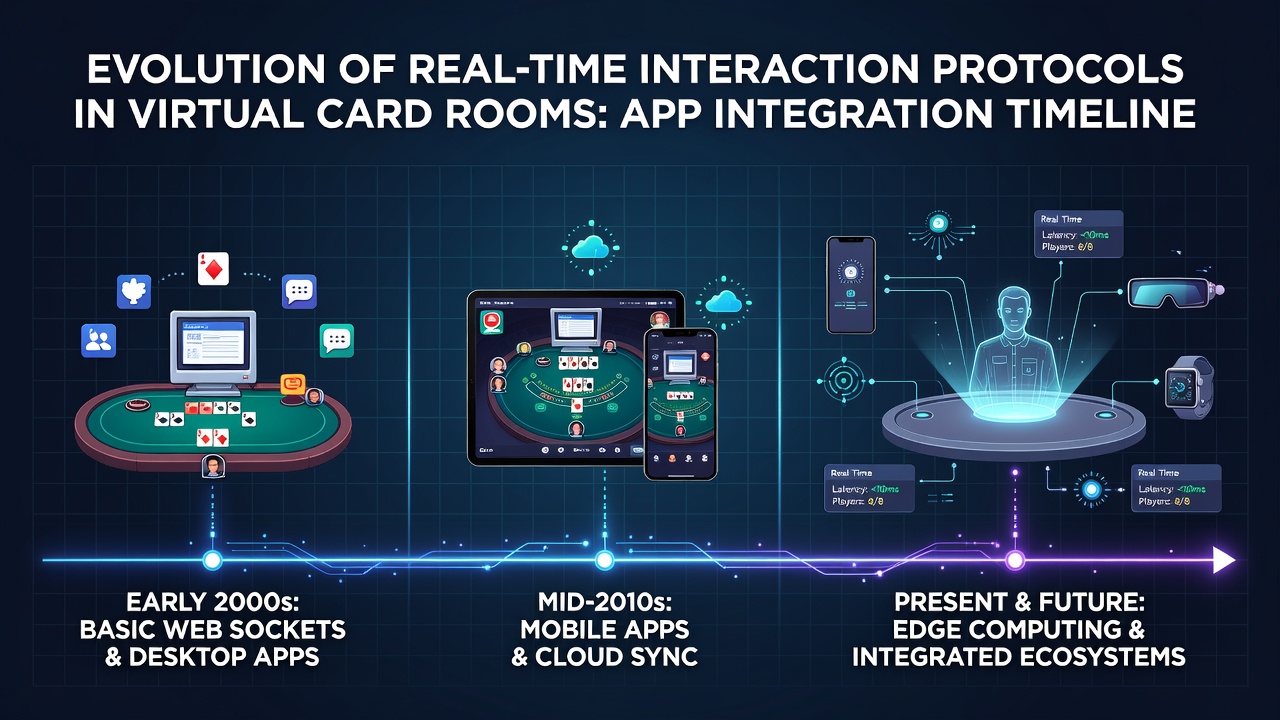
Case studies from European research institutions highlight how one network introduced encrypted overlay channels that synced with carrier APIs, delivering both payment confirmations and game state updates in a single data packet. This approach cut average response times by 40 percent compared with earlier separate-channel designs, and similar patterns appeared across platforms operating in regions with lighter licensing structures. Those who've tracked these developments note that security layers evolved in parallel, incorporating token-based authentication passed between the app and the game server to verify each transaction without storing sensitive details locally.
Global Patterns and Data Trends
Industry reports from Australian gaming bodies show that markets outside direct national oversight saw the fastest uptake of these hybrid protocols, wth adoption rates climbing steadily through 2024 and into 2026. The same sources document how operators combined real-time video feeds, live chat, and carrier-billed micro-transactions into unified sessions that ran on both Android and iOS environments. What's interesting is that these integrations often relied on standardized JSON payloads, which simplified cross-platform compatibility while keeping latency under 100 milliseconds for most users.
Another example comes from academic papers examining South American platforms, where developers layered machine-learning models on top of the protocol stack to predict connection drops and reroute traffic before players noticed interruptions. Such refinements supported longer uninterrupted play periods and contributed to higher retention metrics reported by those sites. The reality is that each incremental protocol improvement built on the last, creating an ecosystem where virtual card rooms could maintain continuous interaction even when players switched between Wi-Fi and mobile data mid-session.
Conclusion
The progression from polling-based updates to integrated WebSocket and WebRTC frameworks, augmented by carrier app connections, has reshaped how virtual card rooms operate in spaces beyond conventional UK structures. Data continues to show that these layered systems deliver faster, more stable experiences while supporting seamless financial interactions through external billing channels. As standards keep advancing, further refinements in encryption and scaling are expected to sustain this trajectory across global markets.