Technical Breakdown of Rapid Payout Systems in Phone-Bill Enabled Entertainment Venues
Yves Richter · May 19, 2026
Technical Breakdown of Rapid Payout Systems in Phone-Bill Enabled Entertainment Venues
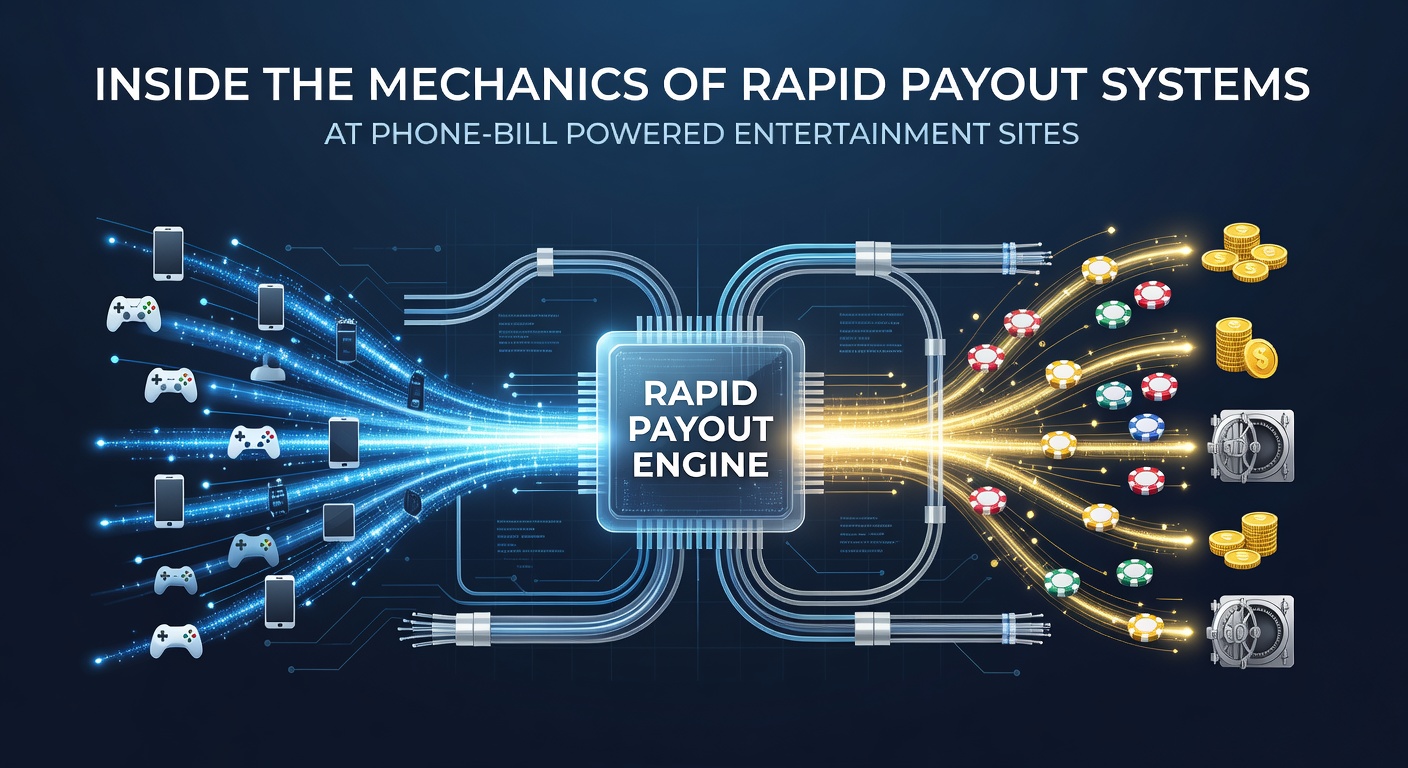
Phone bill integrations have become a core component in many entertainment platforms that operate outside traditional banking rails, and the payout mechanics rely on tight synchronization between mobile carriers, payment processors, and site operators. These systems process deposits through carrier billing APIs that charge users directly on their mobile statements while routing withdrawal requests through pre-verified channels that minimize delays. Research from the GSMA indicates that carrier billing volumes in digital services grew steadily through early 2026, with platforms reporting average deposit-to-payout cycles measured in minutes rather than hours when full technical linkages are in place.
Core Components of Carrier Billing Integration
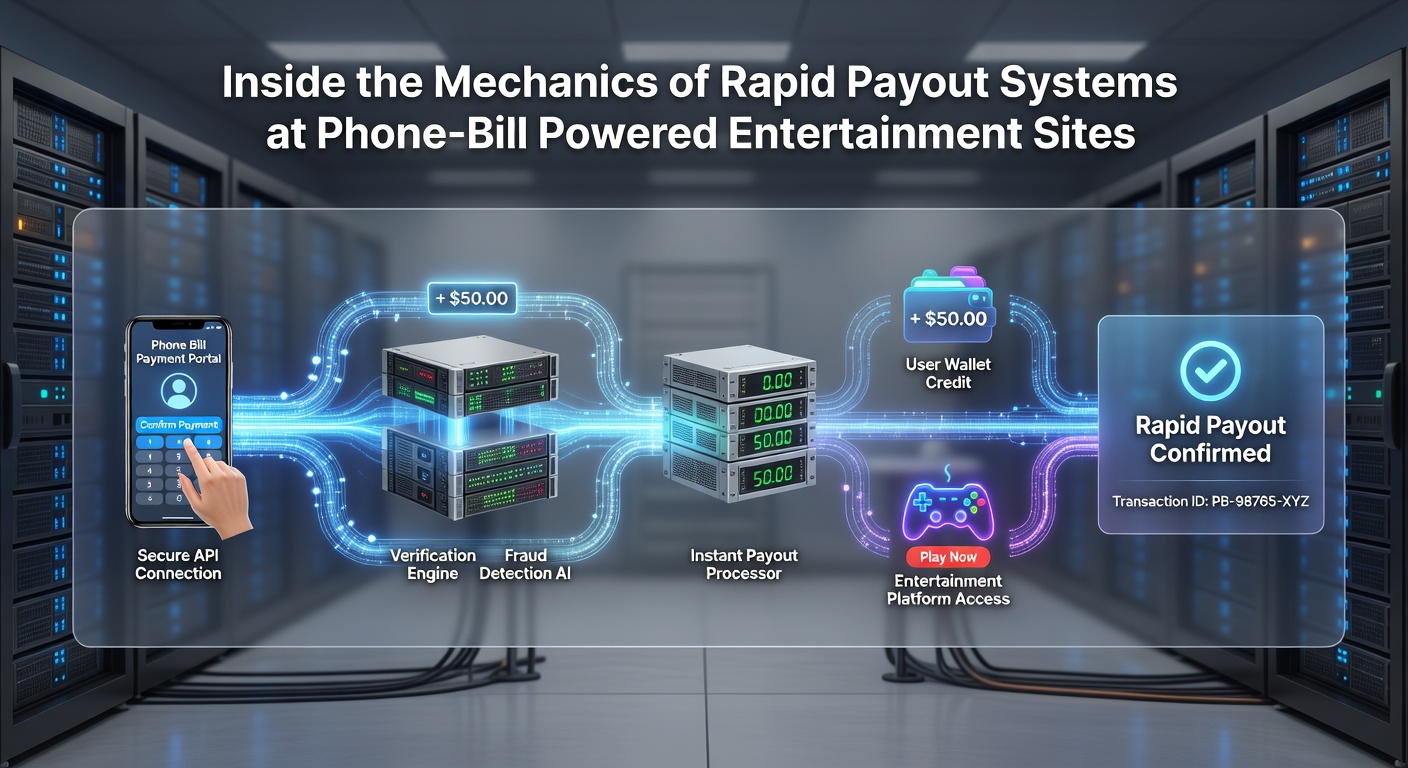
At the foundation sits the mobile network operator's billing engine, which authenticates user sessions via SMS or USSD prompts before authorizing micro-transactions. Platforms connect to these engines through standardized interfaces that include real-time balance checks and fraud scoring modules. Data from industry reports shows that successful integration reduces failed deposit rates below 2 percent when operators maintain direct peering agreements with major carriers in multiple regions. The same infrastructure supports reverse flows for payouts by flagging eligible accounts for instant credit back to the phone balance or linked e-wallets, although most sites route larger withdrawals to bank accounts or crypto rails to stay within carrier limits.
Verification and Compliance Layers
Operators embed automated identity checks at the point of first deposit using carrier-provided data fields such as MSISDN and account age. This step replaces traditional document uploads for many users while satisfying regulatory thresholds in jurisdictions that accept mobile network verification as sufficient proof. Observers note that platforms operating in May 2026 continued to layer additional device fingerprinting and behavioral analytics on top of carrier signals to meet evolving anti-money laundering expectations without slowing the user journey. Those who've examined transaction logs report that the combination keeps chargeback ratios low because every payout request carries a traceable billing history back to the original carrier record.
Speed Optimization Techniques
Engineers achieve rapid settlement by maintaining pre-funded liquidity pools at partner processors so that approved withdrawal requests trigger immediate ledger updates rather than waiting for interbank clearing. When a player requests a cashout the system first validates the original deposit source against the carrier record, then pushes the amount through the fastest available rail—often an instant bank transfer API or a digital wallet credit that appears in under sixty seconds. Studies of similar payment ecosystems reveal that platforms using hybrid rails cut average payout times by more than 70 percent compared with single-method setups, and the same pattern holds for phone-bill funded sites that have adopted parallel processing pathways.
Security Protocols and Risk Controls
Encryption standards applied at the API level protect both deposit and payout messages in transit, while tokenization replaces actual phone numbers with temporary identifiers after initial verification. Risk engines score each transaction using velocity checks, geographic anomalies, and historical play patterns before releasing funds. According to analyses from the Federal Trade Commission on billing disputes, platforms that publish clear payout timelines and maintain 24-hour support channels experience fewer consumer complaints, even when occasional carrier-side delays occur during network maintenance windows. Those who've audited these environments find that automated rollback procedures protect both operators and users if a payout request fails mid-process, returning the amount to the pending balance without manual intervention.
Scaling for High-Volume Periods
During peak activity windows, load balancers distribute requests across multiple carrier gateways and backup processors so that no single point creates bottlenecks. Capacity planning models used by larger operators project transaction spikes based on promotional calendars and sporting events, ensuring sufficient liquidity and API throughput. Figures from mobile industry associations show that sites maintaining at least three redundant carrier connections sustain sub-minute payout performance even when daily volumes exceed normal levels by several multiples. The architecture also incorporates graceful degradation, routing lower-priority requests to slightly slower but still reliable channels when primary pathways reach capacity.
Conclusion
Phone-bill powered platforms achieve rapid payouts through tightly coupled technical integrations, pre-verified user data, and parallel payment rails that together minimize friction between deposit and withdrawal stages. Continued refinement of these systems in May 2026 reflects ongoing collaboration between carriers, processors, and platform operators seeking consistent performance across regions and regulatory environments. The result is a streamlined experience where technical reliability rather than manual processes determines how quickly funds reach players.