SMS-Based Funding Options Enabling High-Stakes Live Table Games in Offshore Jurisdictions
Wendy Werner · Jun 9, 2026

SMS-Based Funding Options Enabling High-Stakes Live Table Games in Offshore Jurisdictions
Operators in offshore markets have integrated SMS billing systems with live dealer platforms to handle large wagers on games such as blackjack, roulette and baccarat, and these systems route charges through mobile carriers so players can fund accounts without traditional bank transfers or card details.
Technical setups connect casino software directly to carrier APIs, which then process the transaction and add funds within seconds, while limits often scale to accommodate stakes reaching several thousand dollars per hand depending on the jurisdiction and provider agreement.
Technical Infrastructure and Transaction Flow
Developers build APIs that link gaming servers to telecommunications networks, and when a player initiates a deposit the system sends an SMS confirmation code that authorizes the charge before the amount appears in the casino balance. This process bypasses some conventional payment gateways, yet it still requires compliance with carrier policies that vary by country and region.
Data from industry reports show average transaction times under 30 seconds for verified accounts, and carriers typically apply service fees that range between 10 and 15 percent of the transferred value according to agreements documented in 2025 licensing records.
Regulatory Landscape in Key Offshore Locations
Jurisdictions such as Curacao and certain Pacific island licensing bodies permit SMS funding for high-limit tables while requiring operators to maintain player verification records and transaction logs. These rules differ from stricter onshore frameworks, and operators must align their billing partners with local telecommunications regulations to avoid service interruptions.
Observers note that Malta's remote gaming framework and the Kahnawake Gaming Commission in Canada have issued guidance on carrier billing that emphasizes consumer protection measures, whereas Australian state regulators focus on separate oversight for international platforms accessed by residents.
Malta Gaming Authority documentation outlines reporting standards that some offshore sites voluntarily adopt to strengthen credibility with payment processors.
Usage Patterns Among High-Stakes Participants
Analytics platforms tracking offshore activity indicate that SMS deposits account for a growing share of funding for live table sessions above $500 per round, and this trend appears in regions where bank transfers face delays or higher scrutiny. Players often combine these charges with loyalty programs that reward repeated high-volume activity.
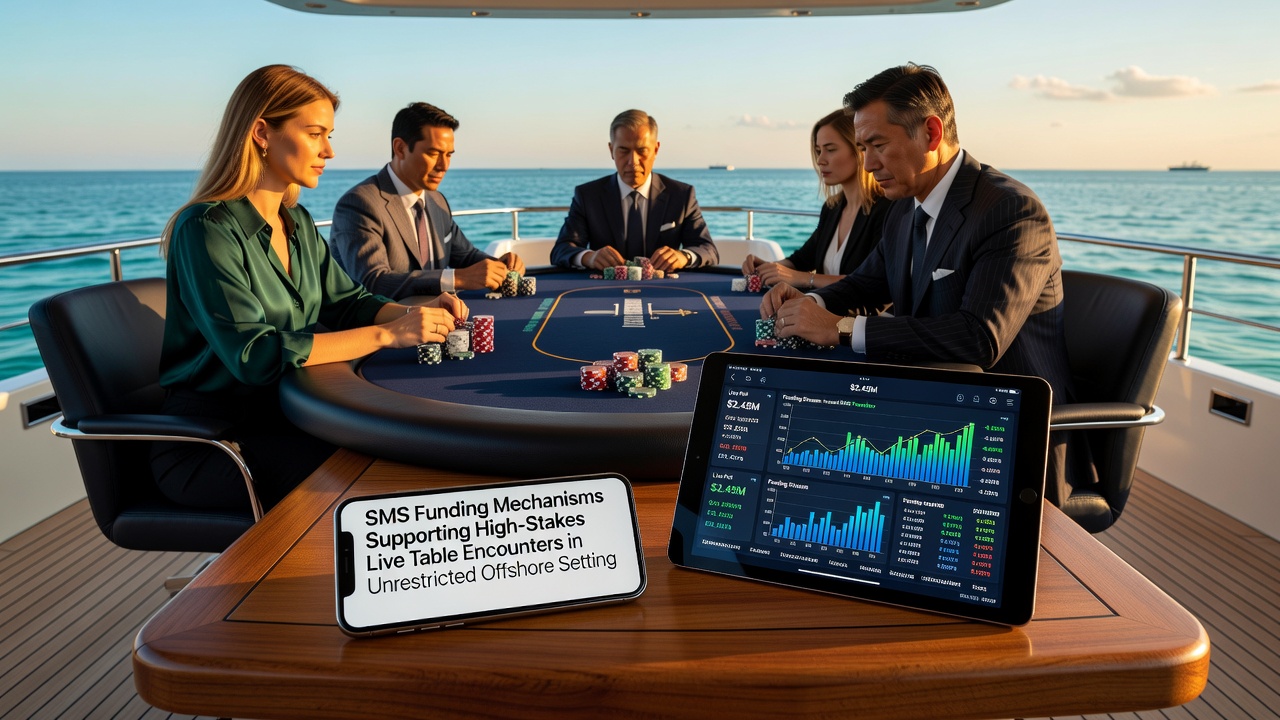
One documented case from an Asian-facing platform revealed that SMS-funded accounts generated over 40 percent of total table revenue during peak evening hours, and similar patterns emerged in European-facing sites serving international clients during the same period.
Market Developments Expected in June 2026
Industry forecasts released in early 2026 project continued expansion of SMS billing partnerships with major carriers in Southeast Asia and Latin America, and these expansions coincide with software updates that allow real-time stake adjustments during live streams. Analysts anticipate that transaction volumes will rise alongside improved encryption standards rolled out by network providers.
Research compiled by academic groups studying digital payments suggests that offshore gaming platforms will test tiered SMS limits tied to account verification levels, which could streamline access for established high-stakes users while maintaining carrier-mandated caps for newer accounts.
Security and Verification Measures
Operators implement two-factor authentication alongside SMS billing to reduce fraud risks, and carriers enforce daily or monthly caps that reset automatically. These controls operate in tandem with casino-side monitoring systems that flag unusual patterns such as rapid successive deposits followed by large wagers.
Studies conducted by university research teams in 2025 found that platforms combining SMS funding with biometric login options experienced lower dispute rates compared with those relying solely on traditional methods, although results varied by jurisdiction and user demographics.
Conclusion
SMS funding mechanisms continue to support high-stakes live table operations in offshore environments through direct carrier integrations and evolving compliance frameworks. Market data indicate sustained adoption rates into 2026, driven by speed and accessibility factors across multiple licensing regions.