Navigating Digital Payment Networks in Mobile Gambling Platforms Operating Outside Exclusion Frameworks
Riley Schmidt · Jun 21, 2026
Navigating Digital Payment Networks in Mobile Gambling Platforms Operating Outside Exclusion Frameworks
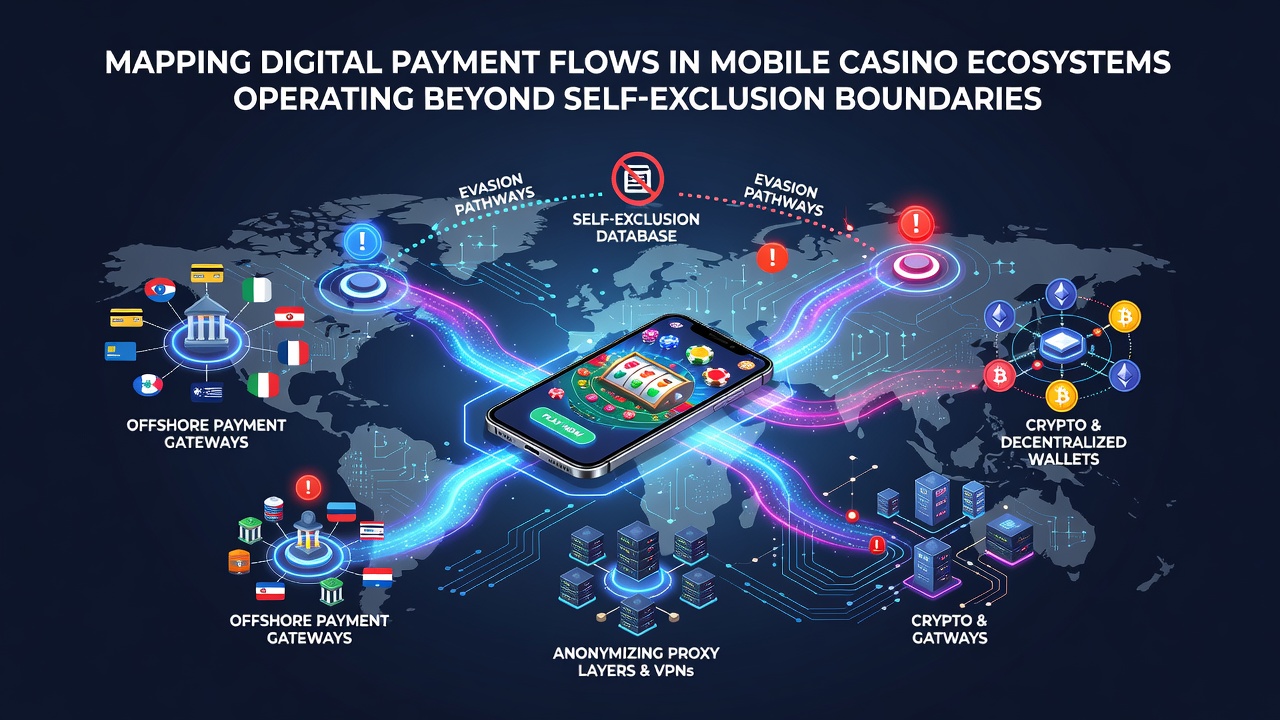
Digital payment flows in mobile casino ecosystems that operate beyond self-exclusion boundaries involve complex routes connecting user devices, carrier networks, and offshore platforms, and these pathways rely on carrier billing systems alongside digital wallets to move funds without traditional verification layers. Researchers have tracked how transactions initiate from mobile phones, pass through telecom providers, and reach gaming servers located in jurisdictions with lighter oversight, while data from industry reports shows increasing volumes routed this way in 2025 and into 2026.
Core Components of These Payment Ecosystems
Mobile casino platforms outside exclusion systems typically integrate carrier billing as a primary channel, where charges appear directly on phone statements and bypass credit card processors or bank intermediaries, and this method allows funds to transfer in seconds rather than days. Observers note that SMS-based confirmations and app interfaces handle authentication steps, yet the underlying infrastructure connects to international payment gateways that aggregate micro-transactions into larger settlements with operators.
Digital wallets such as those offered by various fintech firms also feature prominently, routing payments through virtual accounts that mask direct links between player identities and gaming accounts, while studies from academic institutions indicate these wallets often interface with cryptocurrency exchanges for additional layers of movement. According to figures from the Australian Communications and Media Authority, carrier billing volumes in digital entertainment sectors rose notably between 2024 and 2025, reflecting broader adoption patterns that extend to gambling-adjacent services.
Tracing Transaction Pathways Step by Step
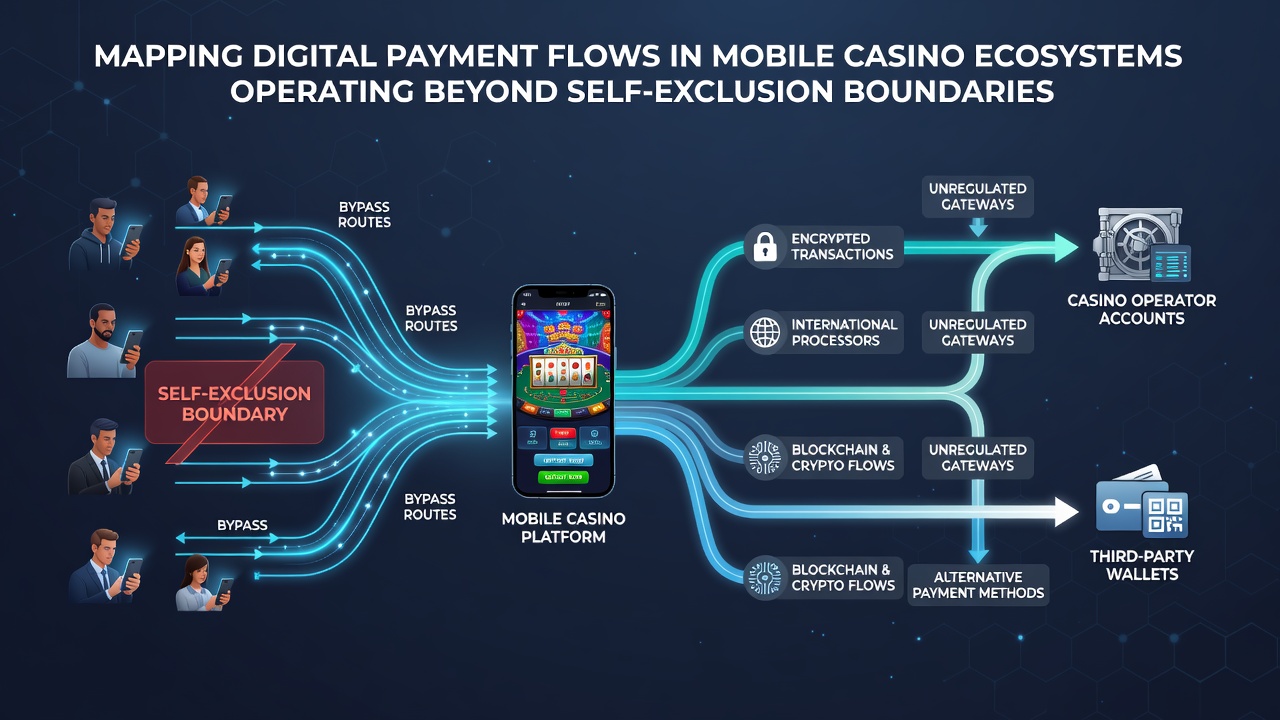
Payments begin when a user selects a deposit option within a mobile app, triggering an authorization request that travels from the device to the mobile network operator, and from there the signal routes to a billing aggregator before reaching the casino's payment processor. Funds then settle through merchant accounts registered in regions like Malta or Curacao, where operators maintain licenses that permit activity outside stricter self-exclusion registries, and this creates a chain where each hop adds minimal friction but multiple data points for mapping.
Real-time ledgers maintained by these processors record timestamps, amounts, and originating phone numbers, yet the absence of mandatory cross-checks against exclusion lists means flows continue uninterrupted even when users have registered elsewhere, and experts tracking these systems point to API integrations that allow seamless handoffs between carriers and gaming backends. One study from a European research consortium revealed that average transaction sizes in such ecosystems range from small stakes to mid-level deposits, with settlement cycles completing hourly or daily depending on the operator's configuration.
Regulatory Contexts Across Regions
Jurisdictions outside the primary exclusion frameworks maintain different notification requirements for money service businesses, and updates issued in June 2026 by several international bodies highlighted the need for clearer reporting on aggregated carrier billing volumes. Data indicates that platforms handling these flows often register with authorities in the Caribbean or Southeast Asia, where rules focus more on anti-money laundering thresholds than on player exclusion integration, and this setup allows continued operation while payment trails remain traceable through telecom records.
Industry organizations such as the International Association of Gaming Regulators have published guidelines on monitoring digital flows, emphasizing the role of telecom partnerships in providing audit trails, yet enforcement varies widely because many operators sit beyond direct reach of European or North American oversight bodies. Those who've analyzed transaction logs find that funds often loop through multiple currencies before final conversion, adding complexity to any comprehensive map of movement.
Technical Infrastructure Supporting the Flows
Backend systems employ secure tokenization to protect card details even when carrier billing dominates, and these tokens facilitate recurring charges without storing sensitive information on casino servers, while network diagrams created by payment specialists show redundant pathways that reroute during peak loads. Mobile apps leverage device-level permissions to access billing APIs directly, bypassing browser-based redirects that might introduce additional verification points, and this direct access contributes to the speed users experience in unrestricted environments.
Analytics platforms used by operators track flow velocity and drop-off points, revealing patterns where certain carriers process higher percentages of successful transactions than others, according to aggregated reports from payments research firms. Integration with live dealer streams and slot engines occurs through the same payment rails, allowing winnings to credit back via the original method or alternative withdrawal channels such as e-wallets.
Conclusion
Mapping digital payment flows in these mobile casino ecosystems requires following signals across telecom, fintech, and gaming layers, and available data shows consistent growth in carrier-billed activity through mid-2026. Observers continue to document how these routes function without intersecting self-exclusion mechanisms, providing a factual picture of infrastructure that spans multiple continents and regulatory zones. Additional research from sources like university payment studies and regional communications authorities offers further details on volumes and routing efficiencies without venturing into prescriptive territory.