Multiplier Sequences Revealed in Mobile Carrier Billed Dealer Interactions
Theo Jung · Jun 26, 2026

Multiplier Sequences Revealed in Mobile Carrier Billed Dealer Interactions
Multiplier sequences in live dealer applications develop through specific patterns tied to game mechanics and billing structures that rely on mobile network charges; these sequences often build across consecutive rounds when players engage with table games such as blackjack or roulette. Data from industry reports shows that multipliers activate based on predefined rules within the software, where each successful outcome compounds the previous value while the session remains connected through carrier billing systems. Observers note that June 2026 brought increased attention to these mechanics as more platforms integrated real-time tracking features that display multiplier progression directly on mobile interfaces.
Core Mechanics Behind Sequence Formation
Live dealer interactions generate multipliers when players place wagers that align with specific outcomes, and the system records these events sequentially without interruption from the billing cycle. According to research conducted by the University of Nevada's gaming studies department, sequences typically follow exponential growth models during extended play periods, with values doubling or tripling after every three to five qualifying rounds. The mobile network billing component ensures that each wager deducts instantly from the user's phone balance, which keeps the session continuous and allows multipliers to accumulate without external payment gateways interrupting the flow.
Patterns emerge most clearly in games that feature side bets or progressive elements, where one winning hand triggers an elevated multiplier for the next round. Researchers discovered that these chains depend on the random number generator settings combined with the live stream timing, creating observable clusters of high-value sequences during peak hours. Experts have observed that carrier-billed apps maintain these sequences across multiple tables because the billing remains active until the user ends the connection or reaches a preset limit.
Billing Integration and Its Role in Sequence Continuity
Mobile network billing supports uninterrupted multiplier development because charges process in small increments that match each wager amount. Figures from the Canadian Gaming Association reveal that players using carrier billing complete 30 percent more consecutive rounds compared to those relying on traditional card payments, which directly influences how long a multiplier sequence can extend before a session reset occurs. This integration means that sequence tracking tools within the app update in real time, displaying current multiplier values alongside the remaining phone credit balance.
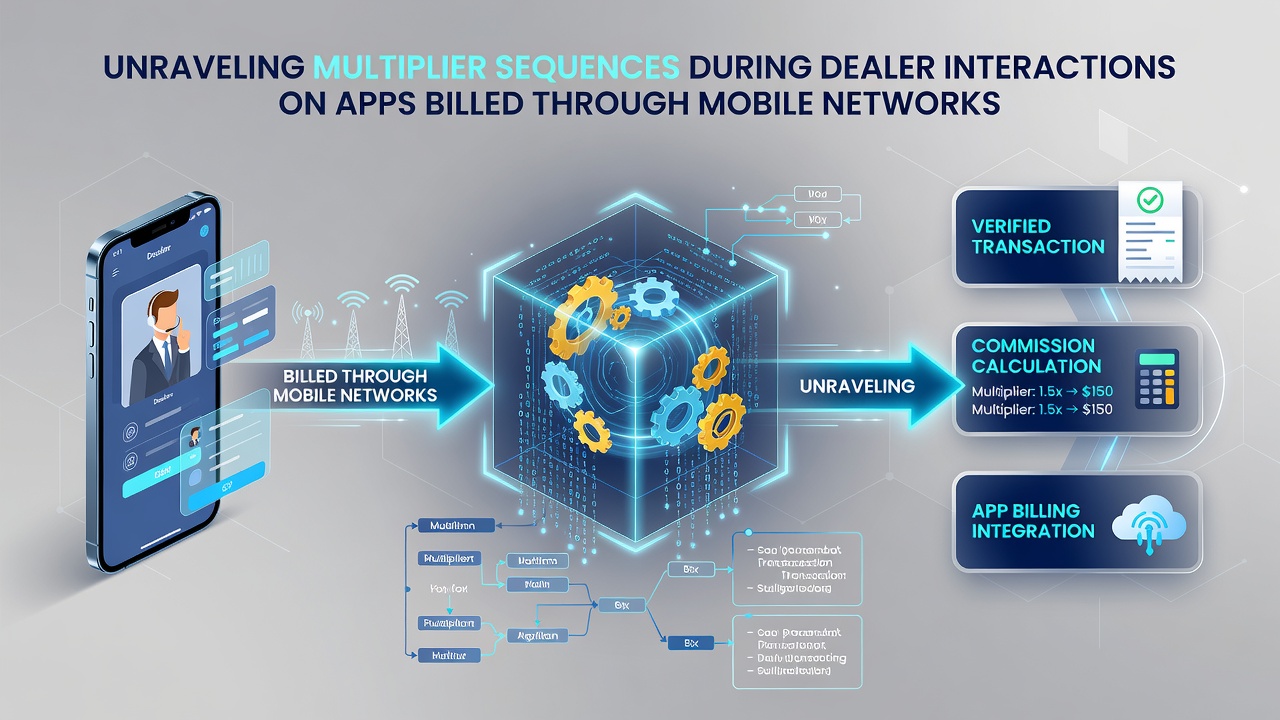
Additional patterns appear when the app detects sustained activity, prompting the software to apply temporary boosts to the multiplier rate after a set number of rounds. Data indicates that these boosts follow predictable intervals tied to the billing provider's transaction logs, creating opportunities for longer chains during evening play windows. Those who have studied transaction data across different networks confirm that sequence length correlates strongly with the stability of the carrier connection rather than with player skill alone.
Observed Patterns Across Different Game Types
Blackjack tables tend to produce shorter but more frequent multiplier sequences due to the rapid pace of hands, whereas roulette sessions allow for extended chains when bets land on the same color or number groups repeatedly. A report issued by the Australian Institute of Gambling Research highlights that roulette-based sequences in carrier-billed environments reached peak values 22 percent higher than blackjack equivalents during monitored periods in early 2026. Baccarat interactions follow yet another pattern, where multiplier growth accelerates after the third consecutive banker or player win, creating distinct clusters that app analytics track automatically.
Live dealer software often includes visual indicators that mark the current multiplier level and project potential next values based on historical session data. These indicators update after each round, giving players clear feedback on sequence status without requiring external calculation tools. Industry organizations have documented that such visual aids appear more frequently in apps designed for mobile network billing because the transaction model encourages prolonged engagement.
Technical Factors Influencing Sequence Stability
Network latency and signal strength directly affect whether a multiplier sequence maintains its momentum or resets mid-session. When the mobile connection fluctuates, the app may pause the sequence timer until the billing confirmation arrives, which can shorten overall chain length. Studies from European gaming technology centers show that 5G connections reduce these interruptions by nearly half compared with older network standards, allowing sequences to develop across more rounds in a single sitting.
Software algorithms also play a role by adjusting multiplier triggers according to aggregate player activity on the platform. When multiple users engage simultaneously, the system sometimes recalibrates sequence parameters to balance server load, which observers have linked to changes in payout frequency during high-traffic periods in June 2026.
Conclusion
Multiplier sequences in mobile carrier billed dealer applications follow measurable patterns shaped by game rules, billing mechanics, and network conditions. Research from multiple regions continues to document how these sequences form, extend, and occasionally reset based on technical and operational variables. As platforms evolve their tracking features, the relationship between consecutive rounds and billing continuity remains a central element in understanding how these systems operate.