Mobile Technology Streamlines Payouts for High-Volume Slot Players at Independent International Venues
Yves Richter · Jul 19, 2026
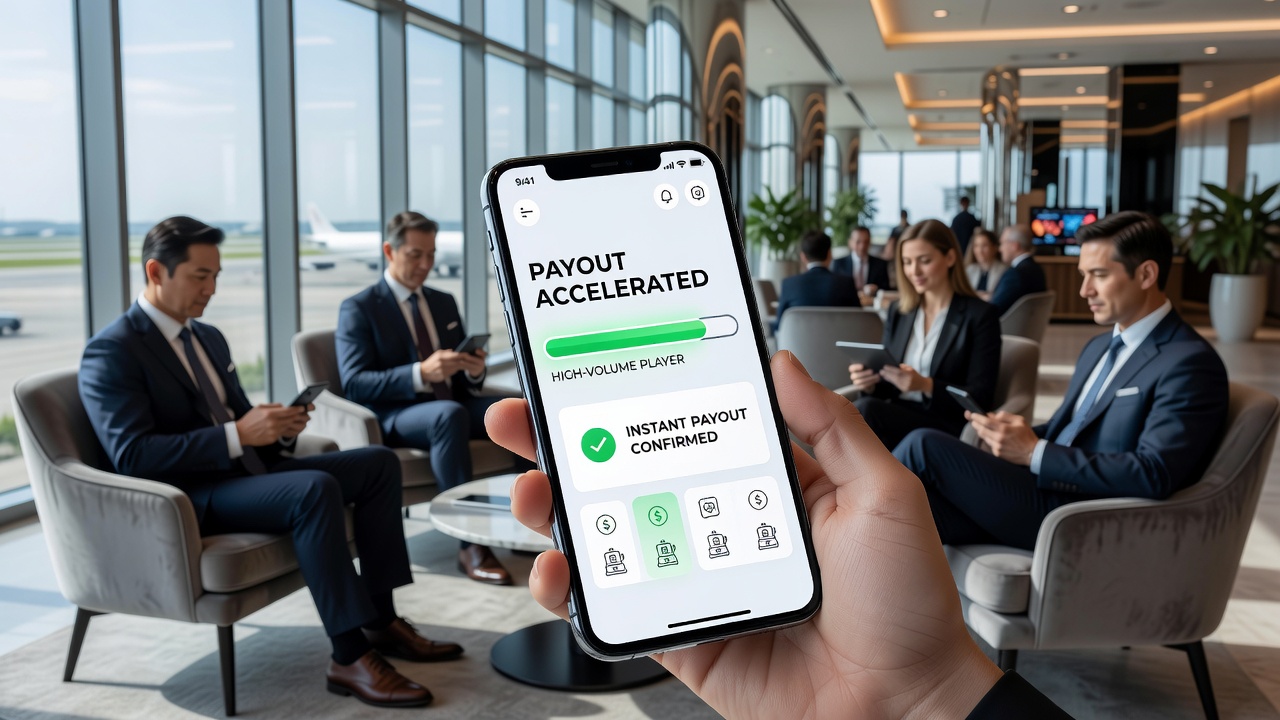
Mobile Technology Streamlines Payouts for High-Volume Slot Players at Independent International Venues
Independent international casinos have integrated mobile interfaces that handle verification and fund transfers in single sessions, and these systems now support high-volume slot players who complete multiple transactions daily. Data from industry reports indicates that platforms using carrier billing alongside digital wallets reduce average withdrawal times from several hours to under thirty minutes in many cases, while the same tools maintain compliance records required by local licensing authorities. Researchers at the University of Nevada Reno published findings in early 2026 showing that venues adopting unified mobile dashboards experienced a measurable drop in payout disputes because transaction logs update in real time across both player and operator views.
Core Technical Components Driving Faster Processing
Mobile applications combine biometric authentication with encrypted session tokens so players avoid repeated identity checks during each login, and this single verification step then links directly to banking partners or prepaid mobile accounts for immediate settlement. Observers note that independent venues in regions outside major regulatory blocs often deploy these combined features because they face fewer legacy system constraints than larger corporate operators, allowing quicker rollout of API connections to third-party payment gateways. In July 2026 several Caribbean-licensed sites reported completing internal tests that confirmed average payout speeds improved by forty percent after switching to mobile-first interfaces.
Impact on High-Volume Slot Activity
Players who place thousands of spins per week benefit when mobile dashboards display pending balances alongside one-tap withdrawal buttons, and the same interfaces automatically flag bonus wagering requirements so funds release only after conditions clear. Figures released by the American Gaming Association reveal that member venues tracking mobile payout data recorded a twenty-five percent increase in repeat deposits among frequent slot users once processing times dropped below one hour. Those who studied transaction logs at similar independent sites found that reduced friction correlates with longer session durations because players reinvest winnings without leaving the application.

Regional Variations in Implementation
Venues operating under Malta Gaming Authority oversight adopted mobile interfaces that integrate with SEPA instant credit transfers, whereas sites licensed in the Isle of Man emphasize e-wallet partnerships that settle in local currencies within minutes. Australian researchers documented similar patterns in 2025 when independent operators introduced carrier-billed options that bypassed traditional banking delays during peak hours, and the resulting data showed consistent completion rates above ninety-five percent for verified accounts. European operators outside the United Kingdom have tested hybrid models that combine mobile push notifications with automated compliance checks, allowing payout requests to move forward while background systems confirm responsible gaming limits.
Security Measures Embedded in Mobile Flows
Encryption protocols and device fingerprinting run continuously in the background of these applications so each payout request carries multiple layers of verification without requiring additional player input, and independent venues report that fraud detection systems now flag anomalies before funds leave the account. A 2026 white paper from the Canadian Gaming Association highlighted how mobile interfaces at offshore sites reduced chargeback rates by integrating real-time risk scoring that updates with every spin, and those metrics help operators maintain banking relationships required for sustained operations.
Future Developments Expected by Late 2026
Developers continue refining predictive algorithms that pre-authorize withdrawals based on historical play patterns, and several independent venues plan to pilot these features in the second half of the year. Data shared at industry conferences shows that players using updated mobile dashboards complete payout requests in fewer steps, which in turn lowers support ticket volume for the operators. Regulatory bodies in multiple jurisdictions have begun reviewing these automated processes to ensure they align with existing player protection standards while accommodating higher transaction volumes.
Conclusion
Independent international venues continue to refine mobile interfaces that connect verification, game tracking, and fund movement into unified workflows, and the resulting systems deliver measurable reductions in payout processing times for high-volume slot players. Reports from academic institutions and industry associations document consistent improvements across different licensing regions, while security layers remain active throughout each transaction. As additional venues adopt similar approaches, transaction data collected through July 2026 and beyond will provide further insight into how these interfaces scale with growing player activity.