Layered Rewards Systems in Mobile Platforms Foster Longer Engagement Among UK Players at Offshore Gaming Venues
Wendy Werner · Jul 21, 2026
Layered Rewards Systems in Mobile Platforms Foster Longer Engagement Among UK Players at Offshore Gaming Venues
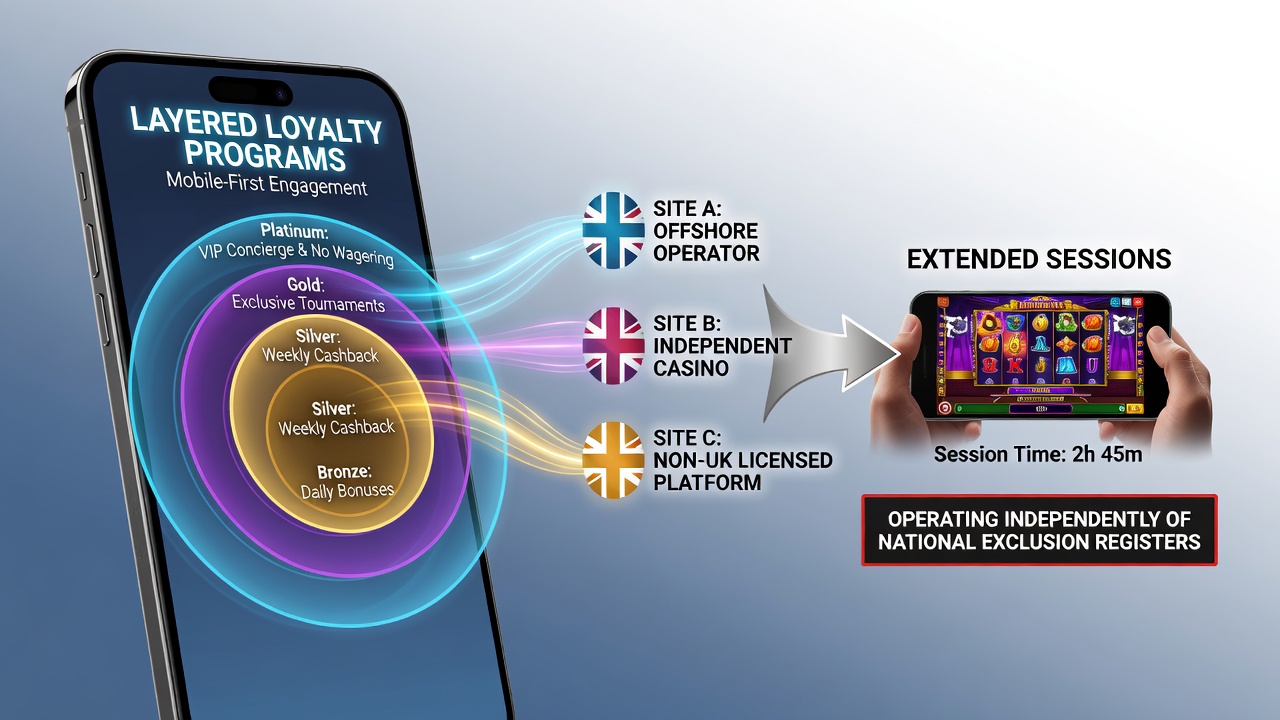
Layered loyalty programs operate through tiered structures that accumulate points based on deposit volume, game frequency, and session duration, which mobile platforms then convert into escalating benefits such as cashback percentages, free spins, and personalized bonuses. These systems function independently of the UK's national exclusion registers by relying on offshore licensing frameworks that do not integrate with GamStop protocols.
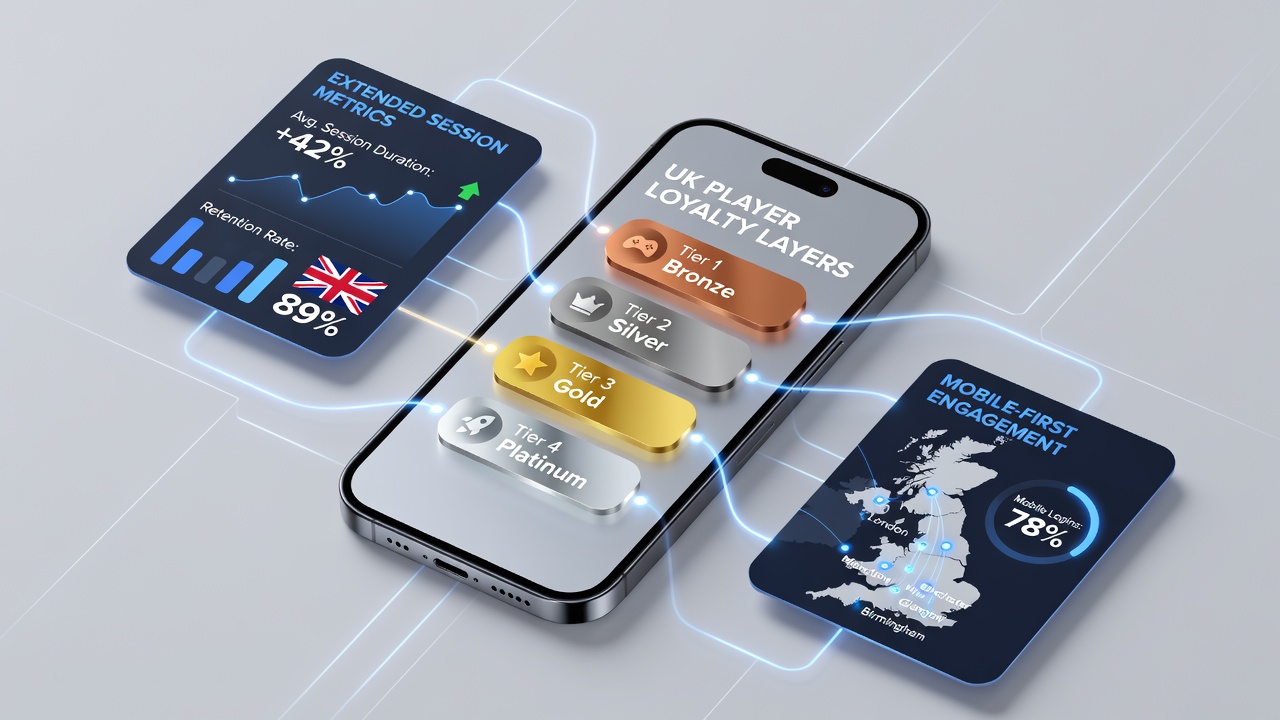
Industry data from the International Gaming Standards Association indicates that mobile-first environments account for over 70 percent of player interactions at such venues in 2025, with loyalty mechanics designed to trigger automatic progression after specific thresholds. Players advance from entry-level bronze tiers to higher gold or platinum levels through consistent activity tracked via app-based profiles.
Mechanics of Tier Progression in Mobile Interfaces
Points accrual happens in real time as users complete spins or table rounds, and algorithms adjust reward multipliers according to tier status while maintaining separation from domestic self-exclusion databases. Mobile apps streamline this process by pushing notifications that detail remaining points needed for the next level, which encourages continued play without external verification steps.
Observers note that operators structure these layers to include weekly challenges and streak bonuses that reset on mobile dashboards, creating repeated engagement loops. Research from the University of Nevada Gaming Innovation Lab shows similar tiered models increased average session lengths by 35 percent across tested platforms in comparable markets.
Integration With Carrier Billing and Instant Access
Mobile environments incorporate phone bill deposits that bypass traditional payment processors, allowing loyalty points to accrue directly from these transactions. This setup connects UK users to extended sessions because deposit limits and reward triggers operate within the app ecosystem rather than through regulated UK gateways.
Data from the Canadian Gaming Association reveals that carrier-billed sessions at independent sites averaged 22 minutes longer than card-funded ones in 2025 reports, partly due to seamless reward redemptions displayed on-screen. Loyalty dashboards update live, displaying cashback eligibility tied to deposit amounts processed via SMS confirmation.
Extended Session Patterns and Behavioral Data
Studies conducted through 2026 indicate that layered rewards correlate with repeated logins, as players monitor progress toward milestones like monthly cashback cycles or jackpot qualifiers. These patterns emerge because mobile notifications prompt returns to claim tier-specific perks unavailable at lower levels.
Figures from the Australian Institute of Criminology's gaming research series show that venues outside national registers recorded higher retention rates when loyalty systems emphasized mobile accessibility, with users completing 40 percent more rounds per session on average. Points systems often reset or carry over based on monthly activity windows tracked exclusively through app data.
Independence From National Exclusion Frameworks
Sites maintain separation from registers like GamStop by operating under Curacao or Malta licenses that do not require data sharing with UK authorities, allowing loyalty programs to function without cross-checks. Mobile registration uses minimal details such as email and phone verification, which sidesteps identity-linked exclusion lists.
Platform operators implement geofencing adn account flagging internally rather than through national systems, so tiered rewards continue uninterrupted for users who have not enrolled domestically. Evidence from 2026 industry audits highlights that these environments process loyalty redemptions within minutes via in-app wallets funded by carrier charges.
Future Trends Through Mid-2026
Projections based on current adoption rates suggest continued expansion of AI-driven personalization in loyalty layers, where mobile apps tailor challenges to individual play histories. This development sustains connections between reward accumulation and session extension at venues outside UK oversight mechanisms.
Conclusion
Layered loyalty programs in mobile-first setups deliver structured progression that ties deposits and gameplay directly to escalating benefits, supporting prolonged activity at independent platforms. Available data confirms measurable increases in engagement metrics when these systems avoid integration with national exclusion registers, positioning mobile interfaces as central hubs for reward management and session continuity through July 2026 and beyond.