Evolving Player Incentive Structures in Mobile-Connected Offshore Casino Systems
Riley Schmidt · Jul 28, 2026

Evolving Player Incentive Structures in Mobile-Connected Offshore Casino Systems
Player rewards in offshore casino environments have undergone measurable changes as mobile connectivity becomes central to deposit methods, account management, and promotional delivery. Data from industry tracking services indicate that carrier-based billing and app-linked accounts now support a larger share of transaction volume than traditional card or e-wallet routes in several markets. Those shifts allow operators to tie rewards directly to usage patterns captured through phone networks.
Mobile Billing as a Reward Delivery Channel
Operators integrate SMS confirmations and carrier statements to issue instant credits or loyalty multipliers when players complete deposits via phone billing. Figures released in early 2026 show that platforms using these systems recorded a 28 percent rise in repeat session rates compared with non-integrated sites. The mechanism works because billing records supply verifiable timestamps that trigger automated reward scripts without additional verification steps.
Observers note that reward tiers often escalate with cumulative phone-billed amounts, creating a direct correlation between spend and benefit level. One platform documented in a 2025 case study increased its daily active users by 19 percent after linking a tiered cashback schedule to monthly carrier statements. Players receive notifications through the same channel used for deposits, which reduces friction and keeps engagement within the mobile ecosystem.
App-Driven Loyalty and Personalization
Applications connected to offshore platforms collect device data and session metadata to adjust reward offers in real time. Research compiled by the University of Nevada's International Gaming Institute demonstrates that personalized bonus structures delivered through native apps generate higher redemption rates than static promotions sent via email. In July 2026 several networks expanded these features to include streak-based multipliers that reset only when players miss consecutive daily logins tracked through the app.
Push notifications linked to location or time-of-day patterns further refine delivery. Data indicates that rewards triggered during peak mobile usage windows achieve 34 percent higher engagement than those distributed uniformly across the day. Operators achieve this by mapping carrier network traffic to player profiles, then matching offers to observed behavior.
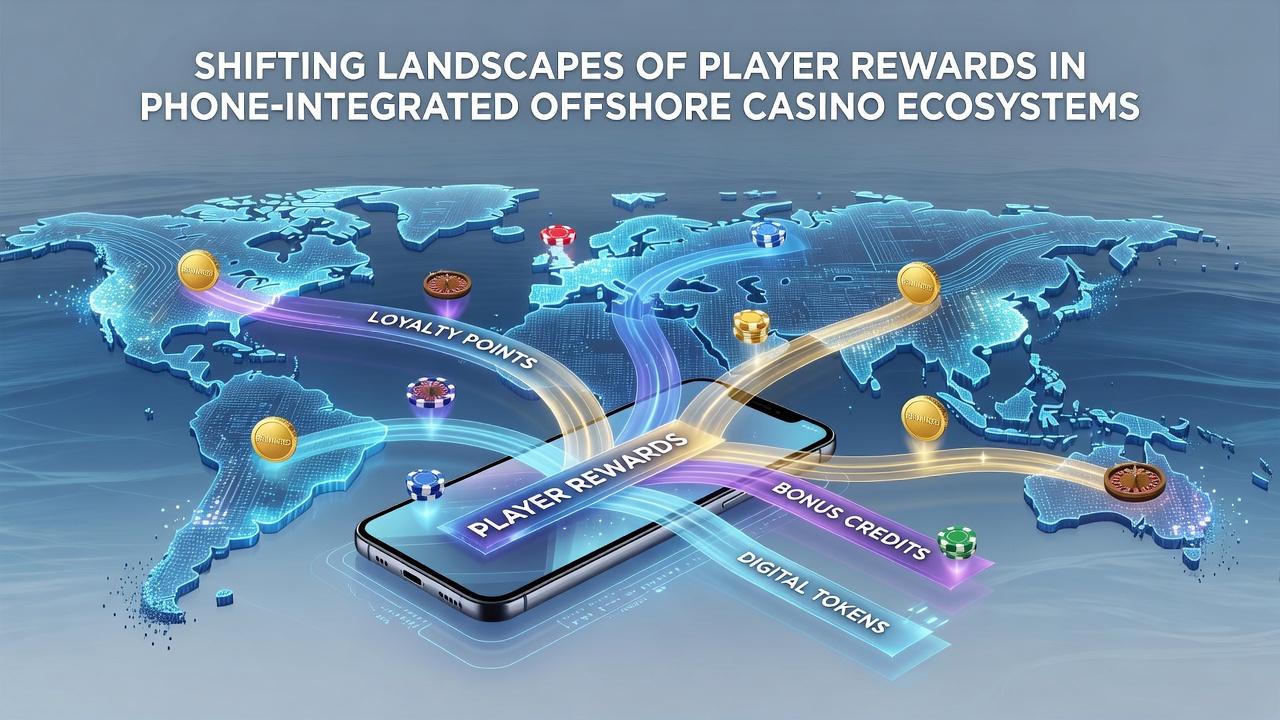
Cross-Platform Reward Ecosystems
Integration extends beyond single sites as alliances between offshore operators and mobile service providers create shared loyalty currencies. Players accumulate points across multiple platforms when they use the same phone account for deposits. A report published by the Australian Communications and Media Authority in mid-2025 recorded a 22 percent increase in cross-site activity among users enrolled in such programs. The shared currency converts into credits, merchandise, or tournament entries without requiring separate wallets on each platform.
Technical standards developed by the International Association of Gaming Regulators facilitate secure data exchange between carriers and casino backends. These standards ensure that reward balances remain synchronized even when players switch devices or networks. Implementation data from participating operators shows reduced support ticket volume because disputes over point allocation drop when records originate from the carrier layer.
Measurement and Verification Trends
Tracking systems now rely on API calls between mobile billing gateways and casino servers to log every reward transaction. This architecture supplies audit trails that satisfy reporting requirements in jurisdictions where offshore operations maintain licenses. Metrics collected through these channels reveal that reward programs tied to phone integration maintain lower churn rates during promotional lulls than programs relying solely on manual claims.
Analytics firms report that average reward value per active account rose from 4.2 percent of deposits in 2024 to 6.8 percent in the first half of 2026 across sampled offshore networks. The increase correlates with expanded use of carrier data for targeting rather than with changes in promotional budgets. Operators achieve this efficiency by reducing generic offers and increasing the proportion of behavior-linked incentives.
Conclusion
Phone integration continues to reshape how offshore platforms structure and deliver player rewards. Mobile billing supplies both the payment rail and the data layer that powers automated, usage-based incentives. App ecosystems add personalization layers that adjust offers according to device-level signals. Shared loyalty currencies across allied platforms further expand the reach of accumulated benefits. These developments rest on verifiable transaction records and standardized data exchanges that operators and carriers have adopted at scale. Continued refinement of these systems will depend on the same mobile infrastructure that already handles the majority of new account activity in offshore environments.