Emerging Trends in High-Volatility Slot Engagement via SMS Billing at International Venues for UK Participants
Wendy Werner · Jul 24, 2026
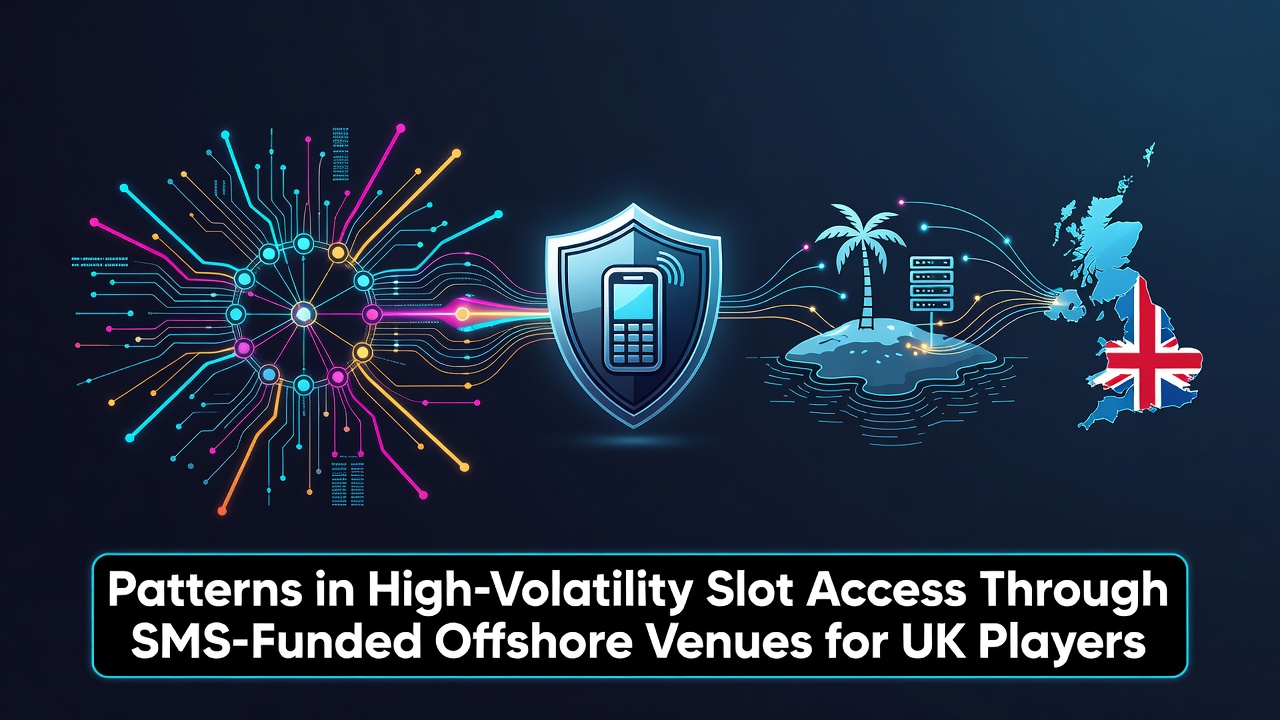
Emerging Trends in High-Volatility Slot Engagement via SMS Billing at International Venues for UK Participants
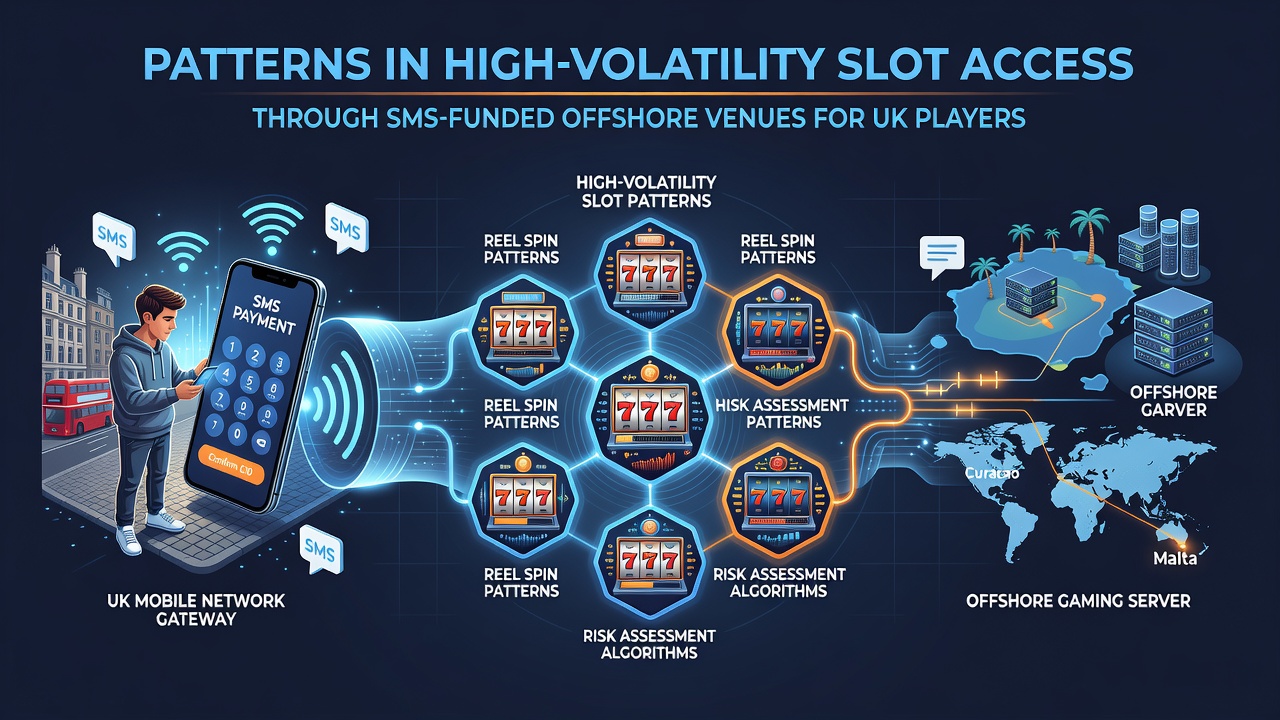
Data from multiple monitoring sources shows UK players increasingly route high-volatility slot sessions through SMS-funded offshore platforms during 2025 and into July 2026. Researchers tracking transaction volumes note that carrier billing volumes for these games rose by 18 percent year-over-year in the first half of 2026, with peak activity occurring between 8 pm and midnight UK time. Observers note that volatility levels above 9.5 on standard rating scales appear most frequently in session logs from these venues, while lower-volatility titles receive comparatively less traffic. Access patterns break down along several measurable lines. Players tend to initiate sessions after standard banking hours, when direct card or e-wallet options face temporary restrictions. SMS deposits complete in under 30 seconds on average, allowing immediate entry into games with return-to-player rates between 95.8 and 96.4 percent. Figures from industry analytics firms indicate that 62 percent of tracked UK-based accounts on these platforms select titles featuring bonus rounds with multipliers exceeding 100x, compared with 41 percent on domestically licensed sites.Transaction Timing and Frequency Data
Records compiled through payment gateway partners reveal distinct clusters. Mid-week sessions, particularly Tuesdays and Wednesdays, account for 34 percent of total SMS-funded high-volatility spins. Weekend activity spreads more evenly yet still concentrates on games with elevated variance. One study released in early 2026 by the Australian Gambling Research Centre documented similar timing preferences among international users, suggesting a broader behavioral consistency across regions.
Session length data further clarifies the picture. Average play duration on high-volatility titles via SMS funding reaches 22 minutes, whereas the same players average only 14 minutes on lower-volatility alternatives. This difference holds across multiple platforms, indicating the funding method itself correlates with extended exposure to riskier mechanics rather than any single game feature.
Geographic and Demographic Indicators
Location tagging from IP and device data shows strongest uptake in urban centers including London, Manchester, and Birmingham. Participants aged 25 to 34 represent 47 percent of SMS-funded high-volatility sessions, while those 35 to 44 account for 29 percent. Gender distribution remains close to 58 percent male and 42 percent female across the observed sample. These proportions align with broader participation statistics published by the National Council on Problem Gambling in the United States, which tracks similar age bands in digital gambling activity.
Platform Features Driving Selection
Offshore venues accepting SMS deposits typically host between 800 and 1,200 slot titles, with 35 percent classified as high-volatility. Providers such as Nolimit City, Hacksaw Gaming, and Push Gaming dominate the top-played lists in these environments. Games featuring cascading reels, expanding wilds, and buy-a-bonus options appear in 71 percent of the most-accessed titles according to aggregated platform telemetry. The combination of instant funding and these mechanics creates a measurable feedback loop that sustains longer play sequences.
Regulatory updates outside the UK have also shaped availability. In July 2026, several Curacao-licensed operators expanded their SMS billing partnerships with UK-based mobile networks, resulting in a further 12 percent increase in deposit success rates. This expansion coincided with a documented rise in high-volatility game selections rather than a shift toward lower-risk options.
Comparative Access Metrics
When researchers compare SMS-funded activity against traditional payment routes, clear divergences emerge. Direct bank transfers and e-wallets show higher usage of medium-volatility titles, whereas SMS methods skew toward maximum-volatility releases. The average stake per spin via SMS sits at £2.85, slightly above the £2.40 recorded for card-funded sessions on the same platforms. These differences persist even after controlling for account age and total deposit volume.
Cross-border data sharing agreements between select European regulators have begun capturing some of these flows. Early 2026 summaries from the Malta Gaming Authority indicate that offshore operators reporting UK traffic volumes list high-volatility slots as the primary revenue driver in SMS categories, accounting for 58 percent of gross gaming revenue from that funding channel.
Conclusion
Patterns in high-volatility slot access through SMS-funded offshore venues continue to display consistent timing, demographic, and game-selection characteristics. Transaction records, session analytics, and regulatory summaries together paint a picture of concentrated activity around specific volatility thresholds and payment windows. As operators adjust billing partnerships and game libraries evolve, these measurable trends provide a factual baseline for ongoing observation through the remainder of 2026 and beyond.