Emerging Payment Technologies Redefining Table Game Availability at Independent Digital Platforms
Riley Schmidt · Jun 19, 2026
Emerging Payment Technologies Redefining Table Game Availability at Independent Digital Platforms
Payment systems continue to evolve in ways that directly influence how players reach table games at independent digital venues, and observers note several distinct trends unfolding across multiple markets. Data from industry reports shows that instant settlement options, including carrier billing and digital wallet integrations, have increased participation rates in live dealer formats by streamlining entry points for users who prefer alternatives to conventional bank transfers. These shifts appear most pronounced at platforms operating outside traditional regulatory frameworks, where operators adopt flexible transaction methods to maintain accessibility.
Core Payment Methods Driving Access Changes
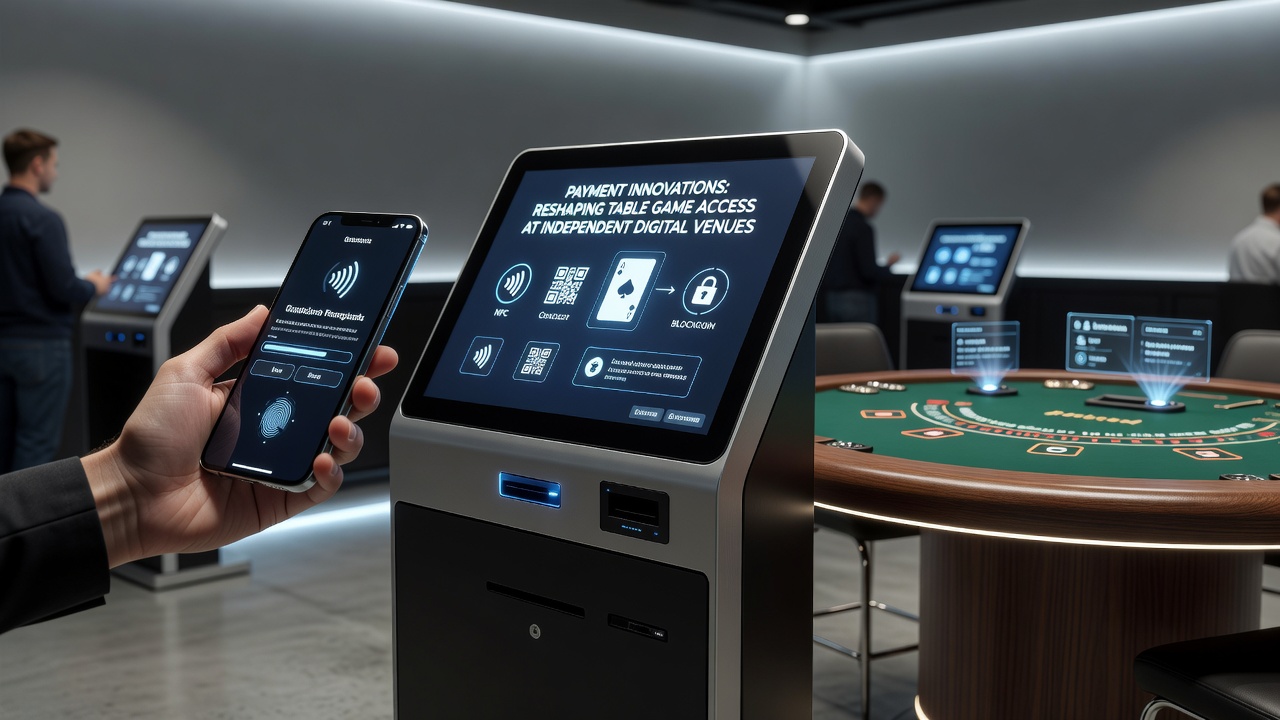
Research indicates that mobile carrier billing now accounts for a measurable portion of deposits at independent sites, allowing users to charge gameplay directly to their phone accounts without needing separate banking details. Studies from academic sources highlight how this method reduces friction during peak hours, particularly for table games like blackjack and roulette that require real-time funding. One analysis from a Canadian research institution found that transaction completion times dropped significantly when carrier options replaced older e-wallet processes, leading to higher session continuity for players engaged in dealer-led sessions.
Blockchain-based transfers represent another layer of innovation reshaping entry to these venues, and figures from the American Gaming Association reveal growing adoption among operators seeking faster cross-border settlements. These methods enable table game access through decentralized ledgers that process payments in seconds rather than minutes, a development that gained traction as venues expanded their offerings in early 2026. Independent platforms leverage this speed to support high-frequency table actions without the delays sometimes associated with traditional processors.
Regional Patterns in Transaction Adoption
European markets demonstrate distinct patterns compared to North American counterparts, whereas Australian data points to carrier billing dominance in offshore-adjacent sites. A report compiled by an EU-based gaming research group documented that by June 2026, over 30 percent of table game deposits at independent digital venues originated from non-bank sources, including SMS-verified options and app-linked carrier charges. This distribution allows venues to serve users who encounter barriers with standard financial institutions, maintaining consistent access to live dealer environments.
Take one operator network that integrated multiple payment layers simultaneously; their internal metrics showed table game traffic rising steadily once carrier and instant transfer options became available alongside existing wallets. Observers note similar outcomes at other standalone platforms where diversified payment choices correlated with sustained player engagement across blackjack, baccarat, and poker variants.
Impact on Live Dealer Environments
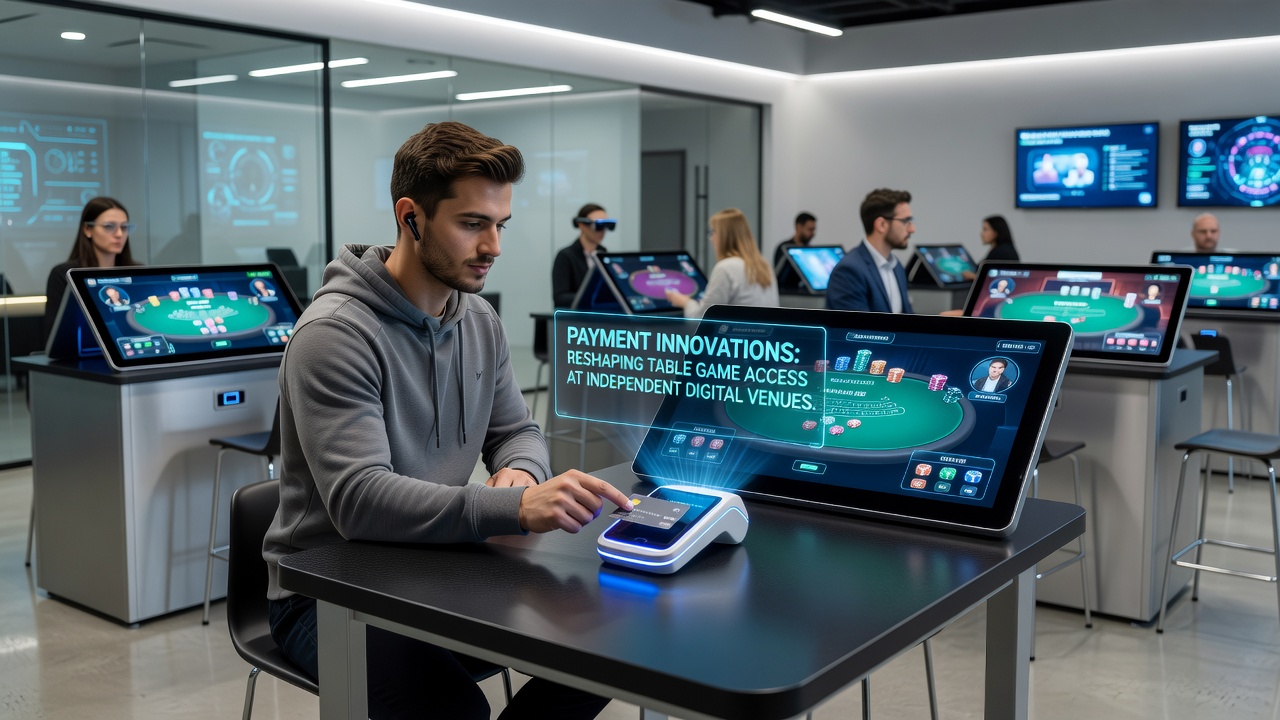
Live dealer tables benefit particularly from these payment advances because sessions often run continuously and demand uninterrupted funding streams. Evidence from operational reviews suggests that venues incorporating real-time billing options experience fewer dropped connections during extended play periods. Researchers at a university-affiliated gaming lab documented cases where players using integrated carrier payments maintained longer average session lengths at roulette and blackjack tables compared to those relying solely on bank-linked methods.
Independent digital venues have responded by embedding these options directly into their interfaces, and this integration reduces the steps required to join active dealer tables. Data collected across multiple platforms shows that payment confirmation now occurs within a single screen transition in many instances, a technical adjustment that aligns with user expectations for immediacy in live settings.
Future Trajectories for Transaction Systems
Analysts project continued refinement of these payment pathways through the remainder of 2026 and beyond, with emphasis on enhanced security protocols that accompany speed gains. Industry organizations track how regulatory adjustments in various jurisdictions influence which methods gain favor at independent sites, creating a dynamic environment where table game access remains tied to transaction flexibility. Those monitoring the sector point to ongoing experimentation with hybrid systems that combine carrier billing, digital currencies, and traditional rails to broaden reach without compromising operational stability.
Conclusion
Payment innovations continue to alter the pathways through which users access table games at independent digital venues, supported by measurable shifts in adoption data and operational adjustments. These developments reflect broader changes in transaction technology that prioritize speed and alternative routing, shaping participation patterns across live dealer formats in particular. As platforms refine their systems, the connection between payment method and game accessibility remains a central factor in venue operations.