Decoding the Appeal of Verification-Free Platforms Where Phone Bills Fund Live Dealer Rounds and Progressive Wins
Riley Schmidt · May 22, 2026

Decoding the Appeal of Verification-Free Platforms Where Phone Bills Fund Live Dealer Rounds and Progressive Wins
Verification-free platforms that rely on phone bill payments have gained traction among users seeking direct access to live dealer rounds and progressive jackpot features, with payment flows handled through established carrier networks rather than traditional banking channels. Observers note that these systems allow deposits to appear on monthly mobile statements, eliminating the need for card details or account verification steps during sign-up. Data from industry analyses shows increased activity in this segment throughout early 2026 as mobile infrastructure improvements enabled smoother integration between gaming servers and telecom billing systems.
Mechanics of Carrier Billing in Live Dealer Environments
Carrier billing operates by routing small transaction amounts through a user's mobile provider, which then aggregates charges and presents them alongside standard usage fees. Researchers at various gaming technology firms have documented how this method supports real-time participation in live dealer tables where players place bets on blackjack or roulette without pausing for payment confirmation screens. The process connects directly to session data, allowing progressive win meters to update instantly while the underlying software tracks every spin or card deal through encrypted channels.
Progressive Jackpot Structures on These Platforms
Progressive wins accumulate across linked games when portions of each wager feed into a shared prize pool that grows until triggered by specific combinations. Reports indicate that verification-free sites often feature multiple progressive titles running simultaneously, with contributions from phone-billed sessions feeding into the same pools as those from other deposit methods. One study released in March 2026 highlighted how these systems maintain separate ledgers for regional player groups while still displaying unified jackpot totals that draw participants from various markets.
Technical Integration Trends Observed in May 2026
By May 2026, platform operators had refined application programming interfaces that link live video streams with billing confirmation protocols, reducing latency between a player's bet placement and the visible update on shared progressive counters. Experts tracking these developments point to improved 5G coverage as a key factor enabling higher-resolution dealer feeds without disrupting the payment authorization loop. Figures released by international gaming associations reveal that session durations on carrier-funded tables increased notably compared to earlier periods when connection speeds limited seamless play.
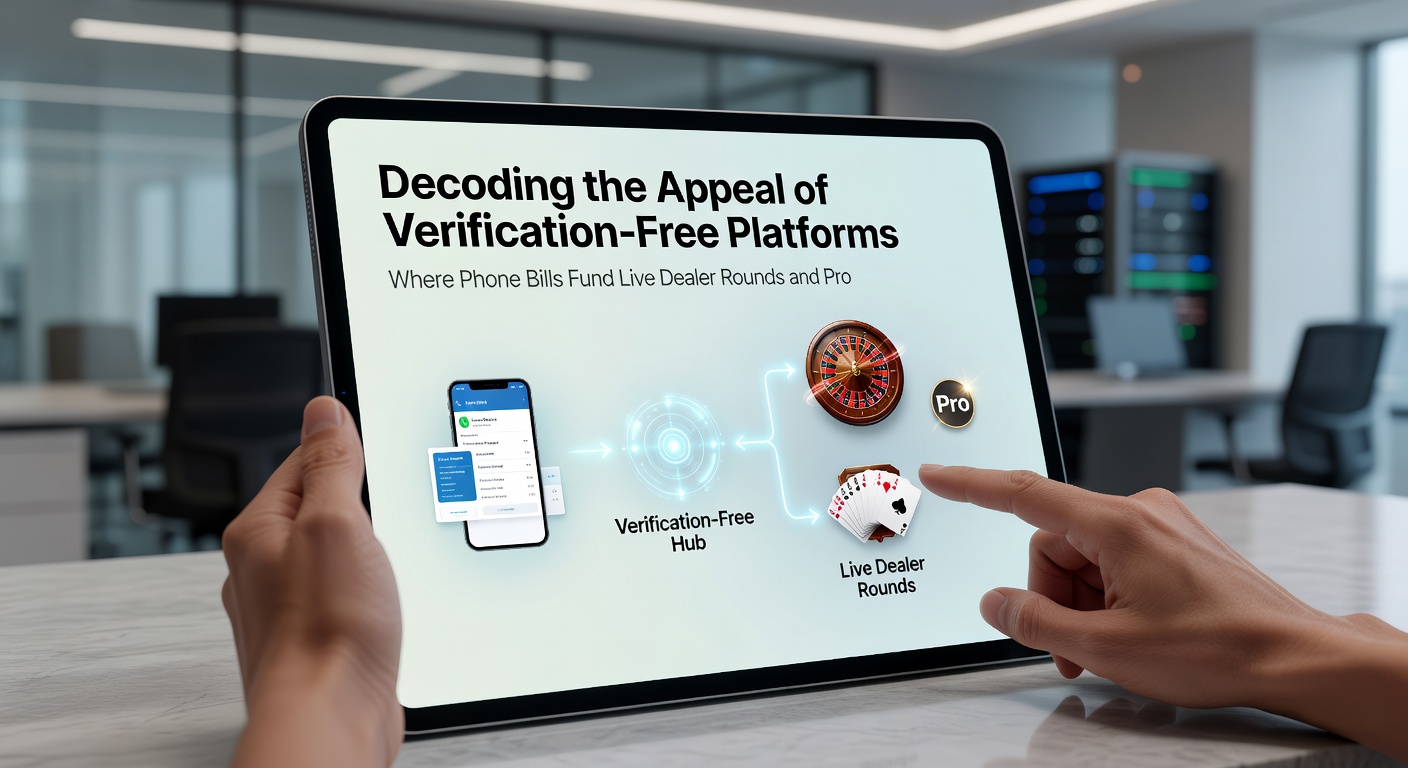
Players access these environments through dedicated apps or browser interfaces that mask traditional identity checks behind carrier authentication layers. According to data compiled by the Australian Gambling Research Centre, similar payment integrations appeared in several offshore markets during the first half of 2026, where regulatory frameworks permitted telecom partnerships without requiring additional player documentation at the point of entry.
Security Protocols Supporting Phone-Funded Sessions
Security measures on these platforms include token-based authentication that verifies the mobile device itself rather than personal identity documents. Industry reports from European trade groups describe encryption standards that protect both the live video feed and the billing data stream during simultaneous transmission. Observers have noted that this dual-channel approach keeps progressive win calculations isolated from potential interception while still allowing immediate display updates visible to all participants.
Market Data and Participation Patterns
Statistics gathered across multiple regions show that users who engage with phone-billed live dealer options often combine them with progressive slots in single sessions. A report issued by the Canadian Centre for Gaming Research found that average wager sizes in these combined environments remained consistent with those recorded on verified platforms, suggesting structural similarities in how prize pools expand regardless of deposit route. What's interesting here is the way monthly billing cycles create natural spending boundaries that some users incorporate into their overall activity planning.
Future Directions for Platform Development
Developers continue testing enhanced features such as instant win multipliers that trigger during live rounds when progressive thresholds are met through carrier-funded bets. Data collected up to May 2026 indicates ongoing refinements in how these multipliers display across devices while maintaining accurate accounting on the backend billing systems. Organizations monitoring global gaming trends expect further convergence between telecom infrastructure and real-time gaming servers as network capabilities expand.
Conclusion
The combination of verification-free access and phone bill funding has created distinct operational patterns for live dealer rounds and progressive jackpot systems. Evidence from multiple independent sources demonstrates measurable growth in these mechanics through the first five months of 2026, driven by technical compatibility between mobile networks and gaming platforms. Continued observation of these integrations will likely reveal additional adjustments as both sectors evolve their respective standards.