Charting Digital Pathways: How App Ecosystems Facilitate Bonus Accumulation and Live Table Access at Offshore Venues Using Direct Mobile Funding
Theo Jung · Jul 14, 2026
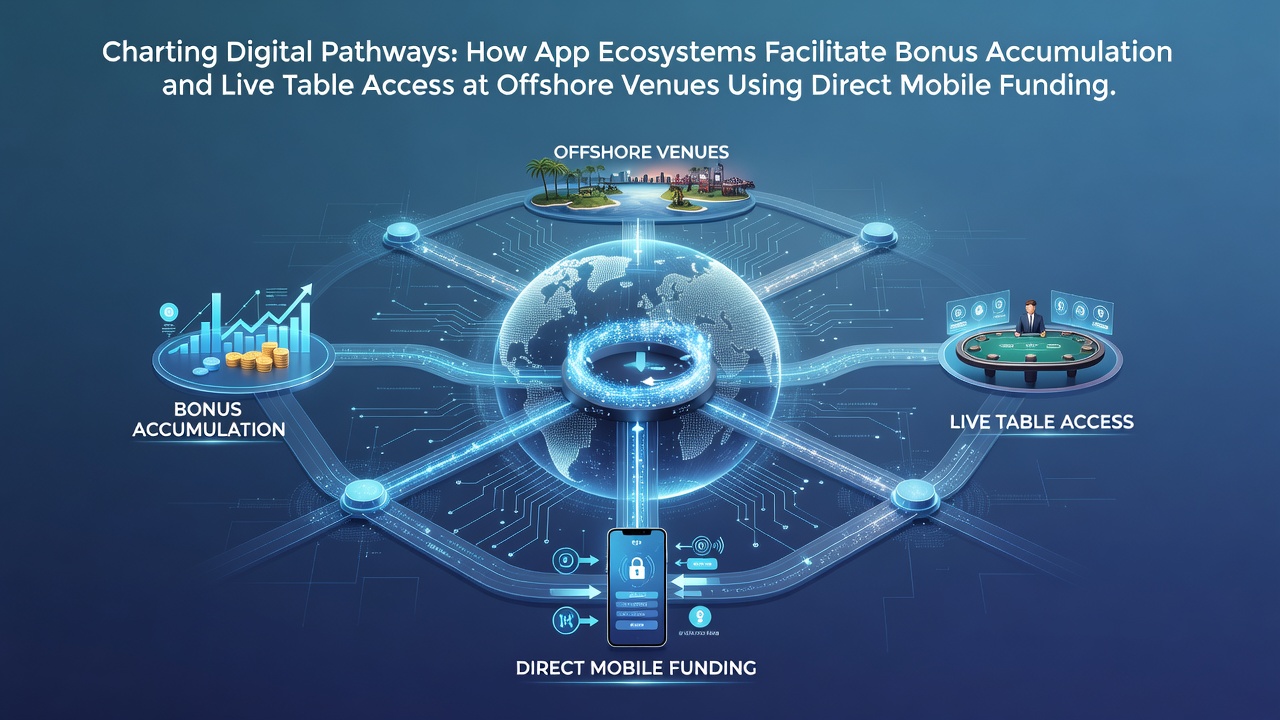
Charting Digital Pathways: How App Ecosystems Facilitate Bonus Accumulation and Live Table Access at Offshore Venues Using Direct Mobile Funding
App ecosystems have reshaped access to offshore gaming environments by integrating direct mobile funding options that streamline deposits and unlock layered reward structures, while providing real-time pathways to live dealer tables. These systems rely on carrier billing protocols that connect user accounts across mobile applications, payment processors, and venue platforms, allowing transactions to process without traditional banking intermediaries. Data from industry analyses indicate that such integrations increased transaction volumes in mobile gaming segments by approximately 18 percent between 2024 and 2025, with projections extending into mid-2026 showing continued adoption in regions outside major regulatory frameworks.
Core Mechanics of Mobile Funding Within App Frameworks
Direct mobile funding operates through APIs that link a player's device carrier account to the offshore venue's backend, converting phone credit into playable balances in seconds rather than minutes. Observers note that this process reduces friction points associated with card authorizations or e-wallet verifications, enabling repeated small deposits that accumulate toward bonus thresholds. In July 2026 several platforms introduced tiered incentive models where successive mobile-funded transactions triggered incremental loyalty multipliers, a development tracked in reports from the Australian Gambling Research Centre. The mechanism works because the app ecosystem authenticates the user once through device-level permissions, then routes each subsequent charge automatically while logging activity for bonus qualification.
Bonus Accumulation Pathways Enabled by Ecosystem Integration
Accumulation occurs when mobile deposits feed into progressive reward engines that track deposit frequency, volume, and timing across multiple sessions. Algorithms within the apps calculate eligibility for cashback tiers or free-play credits once cumulative thresholds are met, often within the same billing cycle. Researchers at the Alderney Gambling Control Commission have documented how these systems allow players to stack welcome bonuses with ongoing reload offers when funding originates from carrier billing, because the transaction metadata signals consistent engagement. One study released in early 2026 highlighted that users completing five or more mobile-funded deposits within a seven-day window received an average 12 percent uplift in bonus value compared with single-transaction patterns. The ecosystem therefore functions as both payment rail and data conduit, feeding real-time metrics into the venue's promotional logic.
Live Table Access Through Synchronized App Features
Live dealer tables become available once the funded balance registers within the app's streaming module, which synchronizes video feeds and betting interfaces across devices. Mobile funding accelerates entry because the balance update occurs instantly, bypassing approval queues common in slower payment methods. Platforms configure their apps to preload table lobbies during the billing handshake, so users transition directly from deposit confirmation to active seats at roulette, blackjack, or baccarat tables. Technical documentation from software providers shows that latency between charge approval and table connection averages under three seconds when carrier billing is used. This speed supports continuous play sessions where players move between tables without reloading interfaces or re-authenticating payment details.
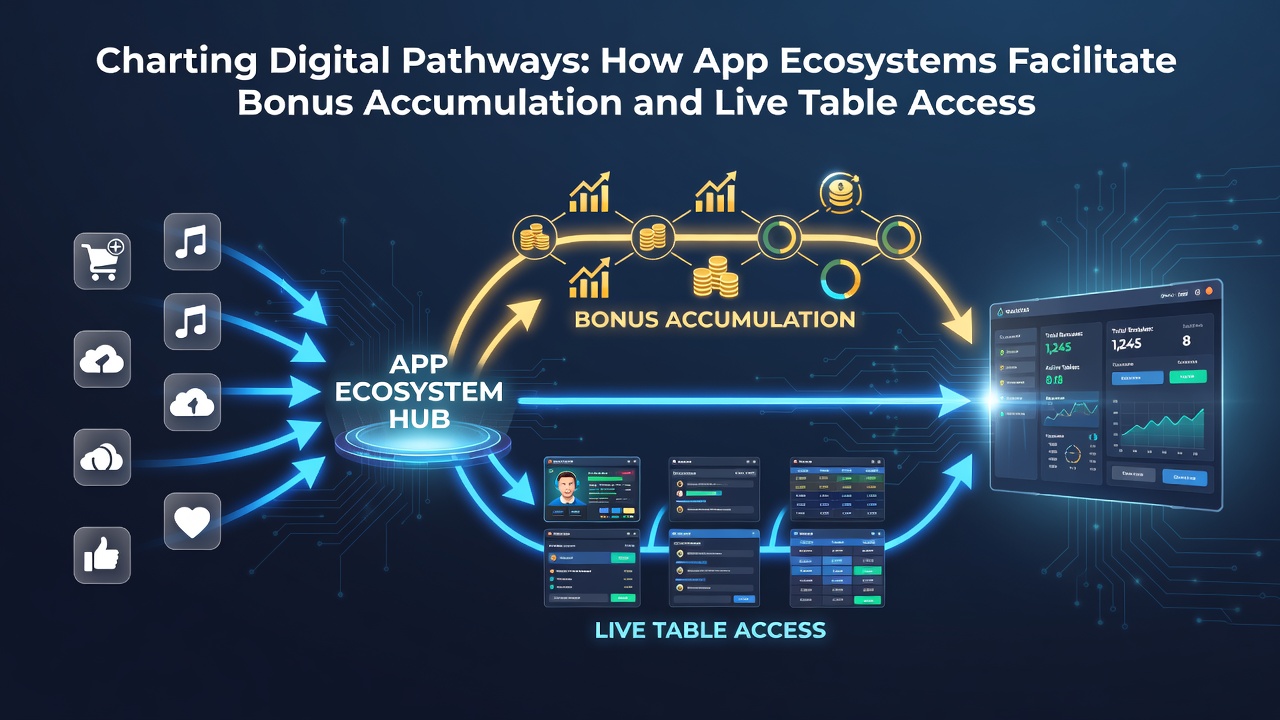
Interoperability Between Apps, Carriers, and Venues
Interoperability standards allow third-party app developers to embed venue-specific modules that communicate with multiple carriers across different countries. These modules handle currency conversion, regulatory tagging, and bonus code insertion automatically once a transaction completes. Data flows remain encrypted end-to-end, satisfying requirements set by offshore licensing jurisdictions while preserving transaction speed. In practice this means a single app can route funds from several carriers to one venue account, letting users maintain consistent bonus progress regardless of which mobile provider handles the charge. Industry observers have recorded that such cross-carrier compatibility expanded the reachable player base in emerging markets by an estimated 22 percent during the first half of 2026.
Security and Compliance Layers Within the Ecosystem
Security protocols embedded in these apps include device fingerprinting, behavioral analytics, and real-time fraud scoring that activate before each mobile charge clears. Compliance modules tag transactions with jurisdiction-specific identifiers, ensuring that bonus awards align with the venue's licensing conditions. Although offshore venues operate outside certain national restrictions, the apps still enforce age verification and self-imposed spending caps through carrier-level controls. Figures released by the European Gaming and Betting Association indicate that platforms adopting these layered checks experienced a 9 percent reduction in disputed transactions during 2025, demonstrating measurable improvements in operational stability.
Conclusion
App ecosystems centered on direct mobile funding continue to define efficient routes for bonus accumulation and live table participation at offshore venues. The integration of carrier billing with reward engines and streaming interfaces creates a continuous loop where deposits immediately influence both balance and eligibility metrics. As July 2026 data streams become available, patterns already visible suggest further refinement of these pathways, with emphasis on faster synchronization and broader carrier coverage. The factual record shows that these digital structures operate through standardized APIs, encrypted data exchange, and algorithmic tracking rather than manual processes, delivering consistent functionality across participating platforms.