Carrier Billing Fuels Cascading Reels and Live Dealer Tables Across Worldwide Licensing Centers
Riley Schmidt · May 31, 2026
Carrier Billing Fuels Cascading Reels and Live Dealer Tables Across Worldwide Licensing Centers
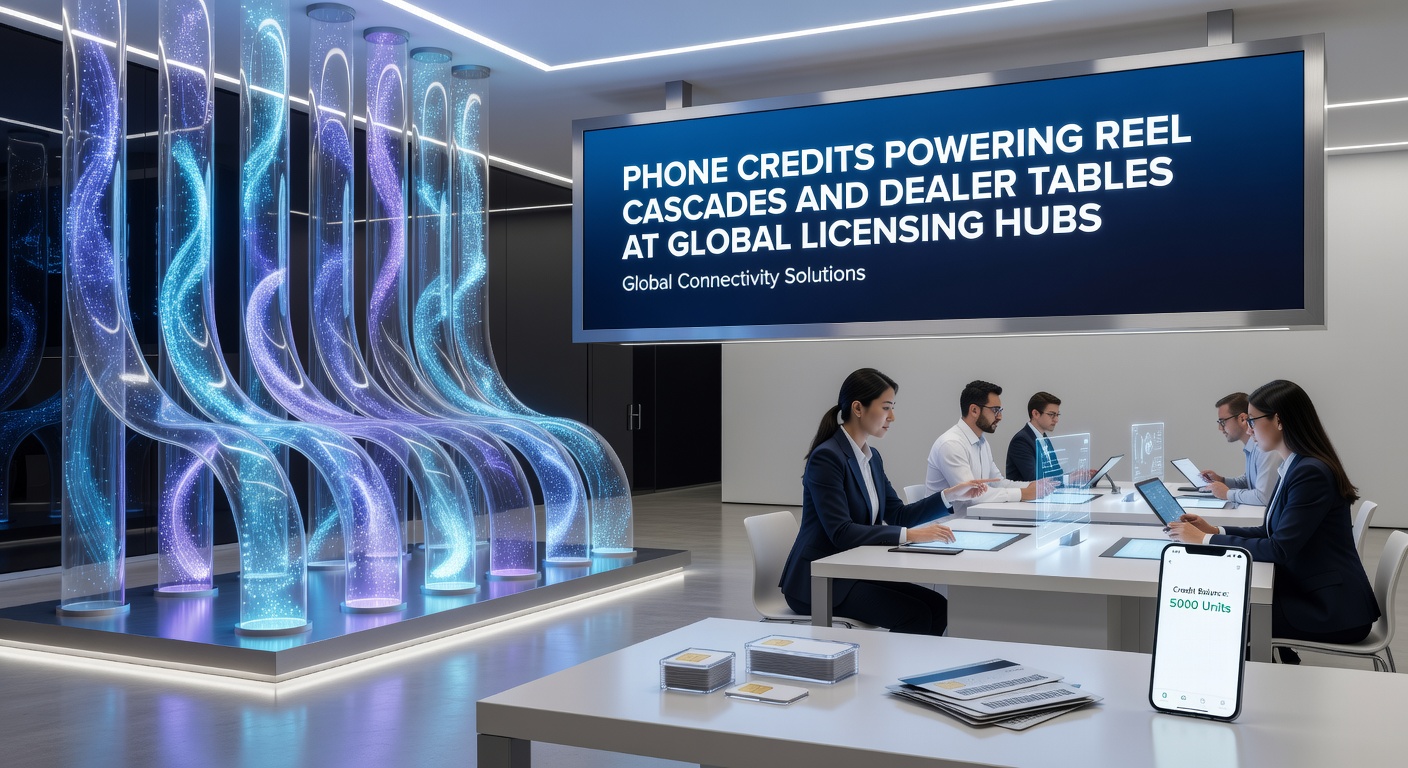
Phone credits have emerged as a payment method that connects directly to reel cascade features and live dealer tables at licensing hubs located in multiple jurisdictions, and data from industry reports shows this integration expanded noticeably by May 2026. Observers note that carrier billing allows players to fund accounts without traditional banking intermediaries while platforms licensed in places such as Curacao and other offshore centers continue to roll out cascading reel mechanics alongside real-time table games.
Mechanics of Phone Credit Integration at Licensing Hubs
Carrier billing operates through partnerships between mobile network operators and gaming platforms where transaction amounts appear on monthly phone statements, and this process supports immediate deposits that trigger bonus rounds featuring cascading symbols in slot titles as well as entry into live dealer environments. Research indicates that operators at global hubs process these payments through secure APIs that verify user eligibility within seconds, which reduces delays compared to card-based methods and enables continuous play sequences across multiple game types.
What's notable is that figures from the European Gaming and Betting Association reveal mobile billing accounted for a rising share of deposits at offshore sites during early 2026, with platforms reporting higher engagement on titles that combine cascading reels with multiplier chains. Those who study payment trends point out that the same infrastructure also powers live dealer sessions where players place bets on roulette wheels or card tables without leaving the mobile interface.
Regional Licensing Centers and Their Payment Infrastructure
Licensing authorities in Curacao, Anjouan, and similar jurisdictions maintain frameworks that permit carrier billing as an approved deposit channel, and operators must demonstrate compliance with technical standards before offering these options to users from various regions. Studies conducted by research institutions show that hubs emphasizing digital payment flexibility often see increased session lengths on games featuring reel cascades, where symbols drop and create chain reactions that build progressive wins.
But here's the thing: platforms operating under these licenses integrate the billing systems with backend game engines so that phone-funded credits convert instantly into playable balances for both slot cascades and dealer-driven tables. Data indicates this setup supports features such as auto-spin functions alongside live video streams, creating parallel experiences that users access through a single account interface.
Game Features Powered by Mobile Credits
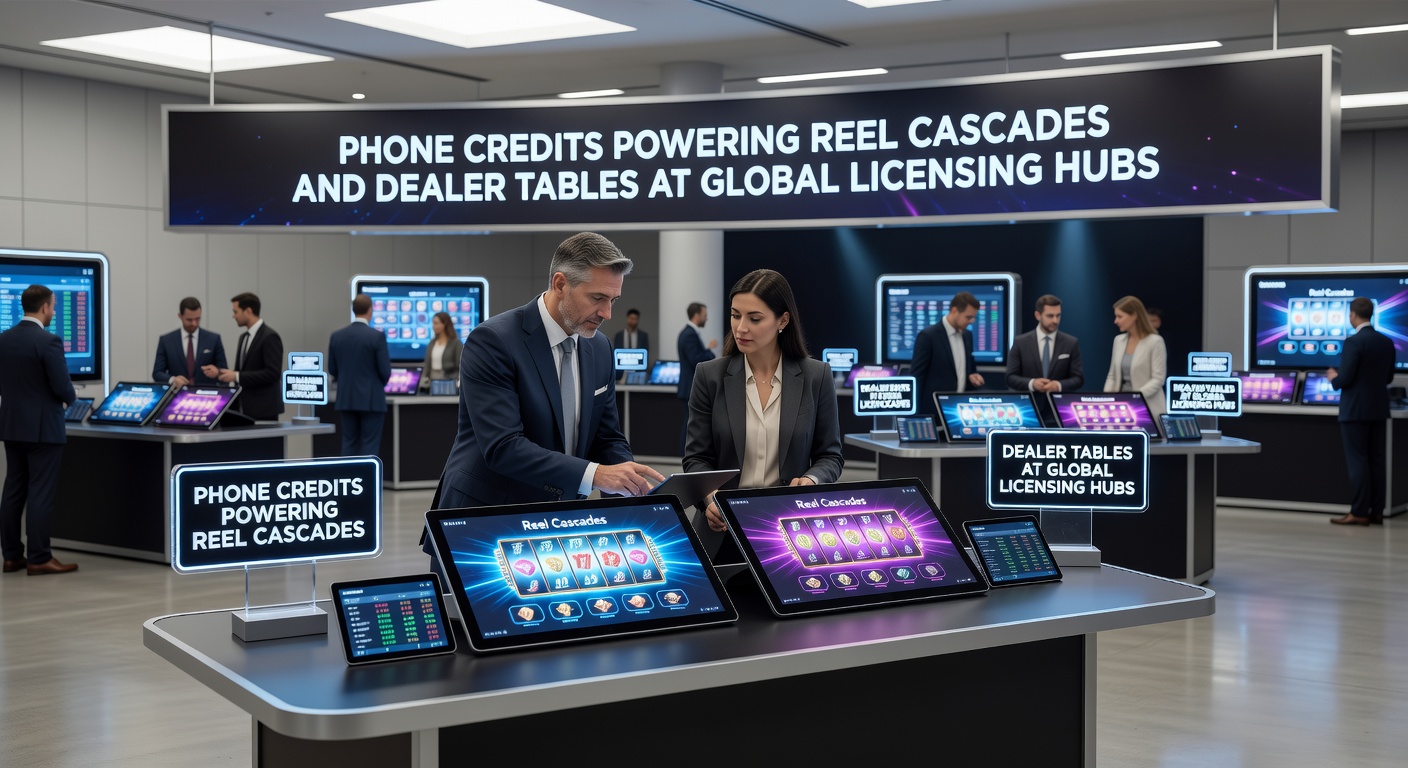
Reel cascade mechanics rely on rapid credit updates that carrier billing facilitates, allowing sequences of falling symbols to continue without interruption when new funds arrive mid-session. Live dealer tables benefit similarly because the payment method supports micro-transactions that match the pace of card dealing and betting rounds, according to reports compiled by gaming technology providers.
Take one operator based at a Curacao-licensed facility who documented how phone credit deposits aligned with the launch of new cascade-enabled slots in spring 2026, resulting in measurable upticks in table game participation during the same period. Those who've examined transaction logs note that users often switch between cascading reel modes and live blackjack or baccarat tables within the same funded session, a pattern that licensing requirements accommodate through standardized reporting protocols.
Technical Standards and Compliance Across Jurisdictions
Global licensing hubs enforce security protocols that require encryption of carrier billing data alongside game outcome certification, and this dual focus ensures that both reel cascades and dealer interactions remain fair while payment flows stay traceable. Evidence from academic papers on digital gambling economics suggests that regions with flexible mobile payment rules attract operators who prioritize seamless transitions between slot features and live environments.
Yet the reality is that not all networks support these transactions equally, which leads some hubs to maintain lists of compatible carriers and update them regularly as new partnerships form. Figures reveal that by May 2026 several centers had expanded their approved operator lists to include additional billing providers, thereby broadening access to cascade-heavy slots and dealer tables for a wider user base.
Future Patterns in Payment-Enabled Gaming
Trends observed in May 2026 point toward deeper embedding of phone credit systems within game design itself, where developers align reel cascade triggers and dealer table minimums with billing thresholds to streamline user flow. Industry organizations tracking these developments report that licensing applications increasingly highlight mobile payment capabilities as a core operational element rather than an add-on feature.
Conclusion
Phone credits continue to serve as a functional bridge between player accounts and the dynamic elements of cascading reels plus live dealer tables at licensing hubs worldwide, with technical integrations and regulatory frameworks evolving in tandem through 2026. Data from multiple sources shows sustained adoption across jurisdictions that prioritize payment variety, supporting ongoing feature development in both slot and table categories without reliance on conventional financial rails.