Bridging Mobile Network Payments with Progressive Jackpot Networks Beyond Standard UK Exclusion Frameworks
Quinn Friedrich · Jun 7, 2026
Bridging Mobile Network Payments with Progressive Jackpot Networks Beyond Standard UK Exclusion Frameworks
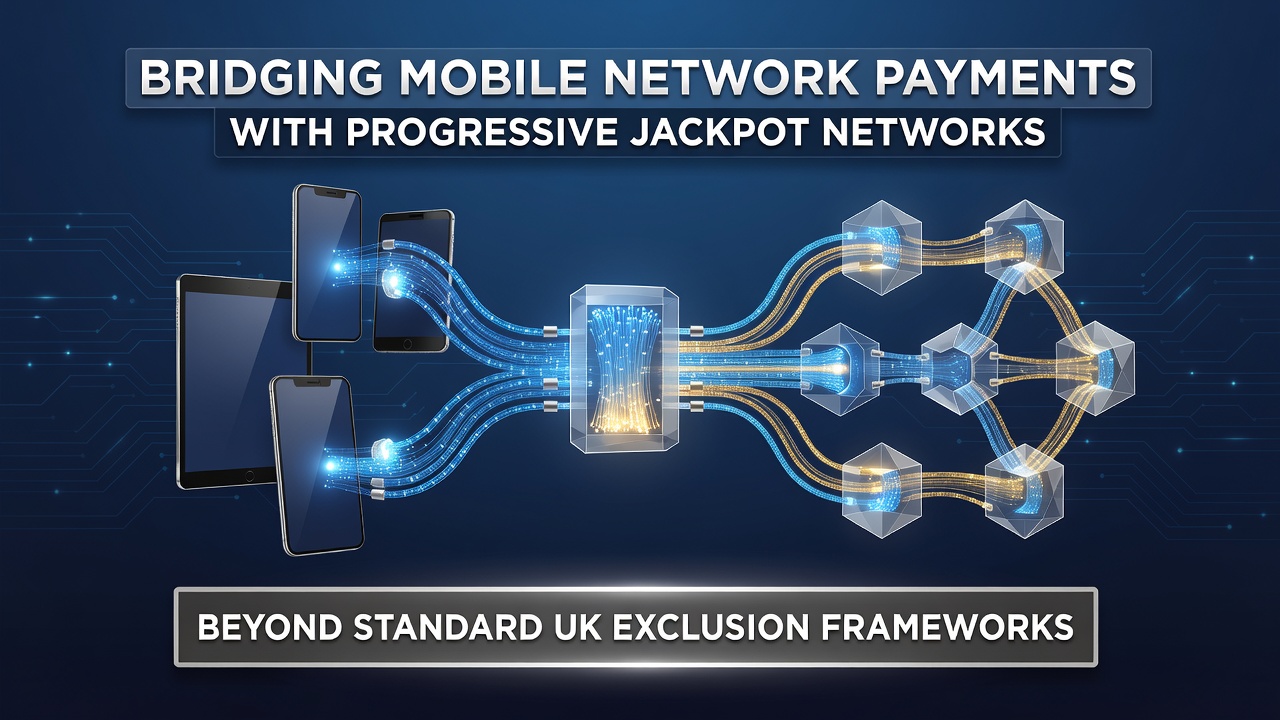
Operators have developed technical interfaces that link mobile carrier billing systems directly to shared progressive jackpot pools, allowing seamless fund transfers across platforms that operate outside conventional UK self-exclusion structures, and these connections rely on API gateways maintained by payment processors in multiple jurisdictions.
Technical Architecture of Mobile-to-Jackpot Integrations
Payment gateways process carrier-billed transactions through encrypted channels that feed into centralized jackpot controllers, where contributions from players accumulate in real time across servers hosted in regions with differing regulatory approaches, and data from June 2026 shows increased adoption of these hybrid systems among operators seeking broader player pools. Observers note that protocols such as those standardized by the Interactive Gaming Council facilitate the synchronization of balance updates between mobile network operators and jackpot engines without requiring traditional banking intermediaries.
Network latency remains a critical factor in these setups, with successful implementations maintaining sub-second confirmation times through edge computing nodes positioned near major data centers, while redundancy measures ensure jackpot contributions continue uninterrupted during carrier-side maintenance windows. Researchers at institutions tracking gaming technology have documented how blockchain-based ledgers sometimes supplement these mobile integrations to provide immutable records of each increment to the progressive prize.
International Examples and Data Trends
Platforms operating from jurisdictions like Malta and the Isle of Man have incorporated mobile billing options that route player stakes into multinational jackpot networks, and figures released by the European Gaming and Betting Association indicate that such integrations accounted for approximately 18 percent of new jackpot contributions in the first half of 2026. Similar patterns appear in reports from the Australian Communications and Media Authority, where mobile payment volumes linked to cross-border gaming pools grew by 12 percent year-over-year through mid-2026.
One documented case involves a Caribbean-based operator that partnered with three European mobile carriers to enable direct billing for entries into a shared progressive slot network, resulting in measurable increases in prize pool growth rates during peak hours. Those who've examined transaction logs from these arrangements report that fraud detection algorithms adapted from telecommunications security frameworks play a key role in maintaining system integrity across borders.
Payment Flow and Security Considerations
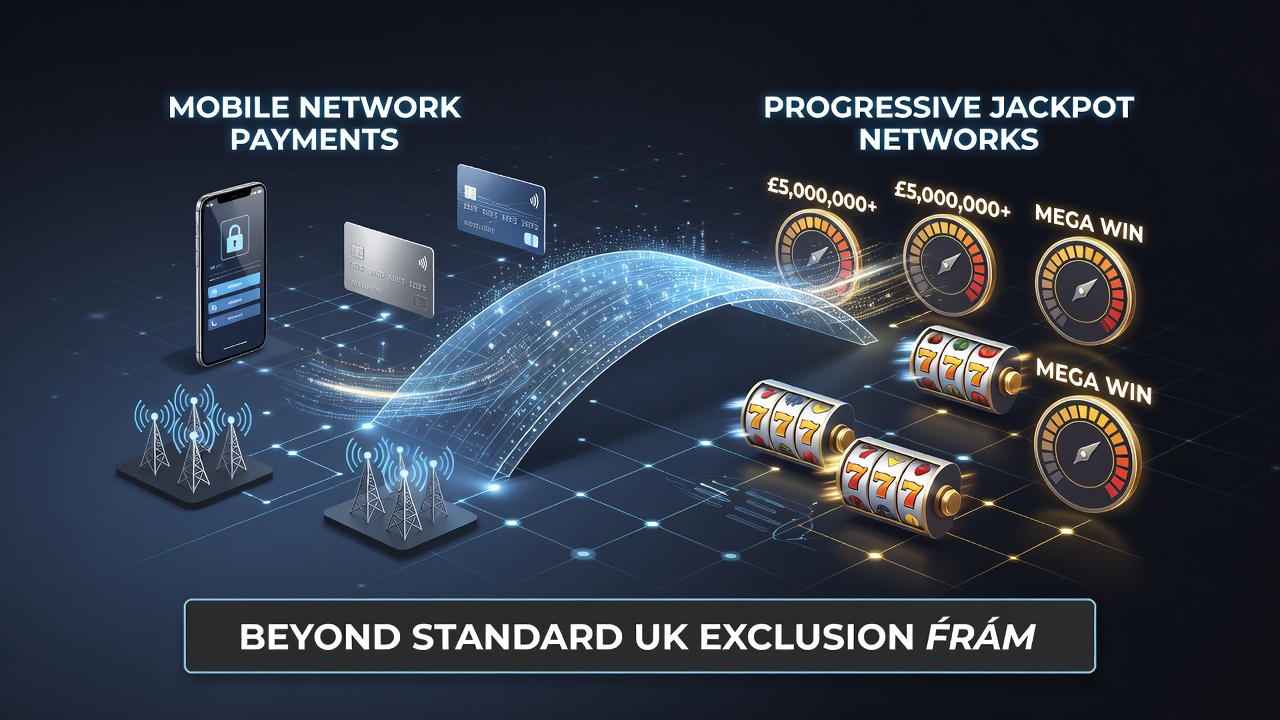
Transactions begin when a player authorizes a charge via SMS or app-based confirmation, after which the carrier settles the amount with the operator's designated processor before the funds are allocated to the jackpot pool or player balance, and this sequence typically completes within four to seven seconds under optimal network conditions. Security layers include tokenization of session identifiers combined with real-time velocity checks that flag unusual activity patterns before they affect the shared prize.
Multiple operators have adopted ISO 27001-certified frameworks specifically tailored for mobile gaming environments, ensuring that data exchanged between carriers and jackpot controllers meets established encryption standards. What's interesting is how these measures allow platforms to maintain continuous operation even when individual carriers impose temporary restrictions, as failover routing directs traffic through alternate providers without interrupting jackpot accumulation.
Regulatory Variations Across Regions
Jurisdictions outside standard UK frameworks often apply distinct licensing requirements for mobile-integrated jackpot systems, with some requiring separate approvals for payment processing components while others focus oversight on the gaming software itself, and analysts from the Nevada Gaming Control Board have published comparative studies highlighting these differences. In Canada, provincial authorities in Ontario have examined similar models through their iGaming frameworks, noting the importance of clear audit trails for carrier-billed contributions to progressive prizes.
Operators navigate these variations by maintaining jurisdiction-specific compliance teams that monitor updates to mobile payment regulations, ensuring that jackpot networks remain accessible to players using approved billing methods. Data compiled by academic researchers at the University of Nevada, Las Vegas, shows that platforms employing modular payment architectures adapt more readily to evolving rules in multiple markets simultaneously.
Future Developments in Network Connectivity
Industry working groups continue to refine standards for 5G-enabled billing that could further reduce transaction times and expand geographic reach for progressive jackpot participation, and preliminary tests conducted in 2026 demonstrated measurable improvements in contribution accuracy under high-volume conditions. These advancements build on existing infrastructure while incorporating enhanced authentication methods developed in collaboration with telecommunications providers.
Conclusion
The integration of mobile network payments with progressive jackpot systems represents a technical evolution that operates across varied regulatory environments, supported by documented growth in transaction volumes and security protocols through June 2026. Observers tracking these developments point to continued refinement of API connections and compliance mechanisms as key factors sustaining the functionality of such networks beyond any single jurisdiction's standard frameworks.