App Interfaces Driving Live Dealer Dynamics in Privacy-Centric Wagering Platforms
Wendy Werner · Jun 5, 2026
App Interfaces Driving Live Dealer Dynamics in Privacy-Centric Wagering Platforms
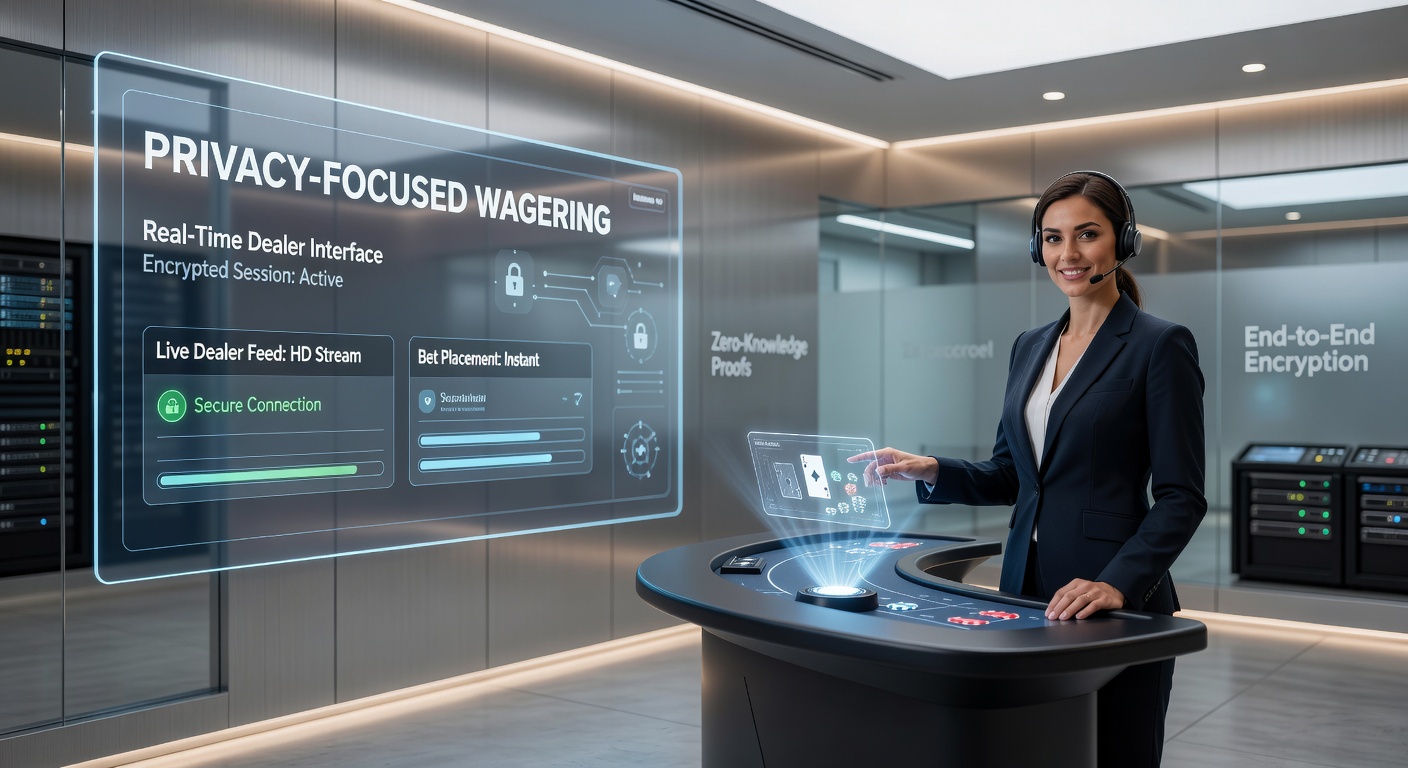
App interfaces now integrate directly with live dealer systems at privacy-focused wagering destinations, and this connection shapes how players engage with real-time table games without traditional verification hurdles. Observers note that streamlined navigation menus, gesture-based controls, and adaptive layouts allow users to place bets, adjust stakes, and communicate via chat features during active dealer sessions, while background encryption protocols maintain user anonymity across sessions.
Design elements such as customizable dashboards and quick-access bet sliders reduce friction in live environments, and data from platform analytics shows these features increase session durations by connecting visual feedback loops with dealer video feeds. Researchers discovered that color-coded indicators for game states help users track outcomes instantly, whereas multi-camera angle selectors provide deeper immersion without requiring additional logins or data submissions.
Core Interface Components Enhancing Dealer Interactions
Touch-responsive overlays sit atop live video streams in many offshore platforms, and these layers enable simultaneous actions like card requests or side bet placements while the dealer proceeds in real time. Experts have observed that low-latency rendering engines sync interface updates with dealer movements, which prevents desynchronization issues that once disrupted flow in earlier mobile setups.
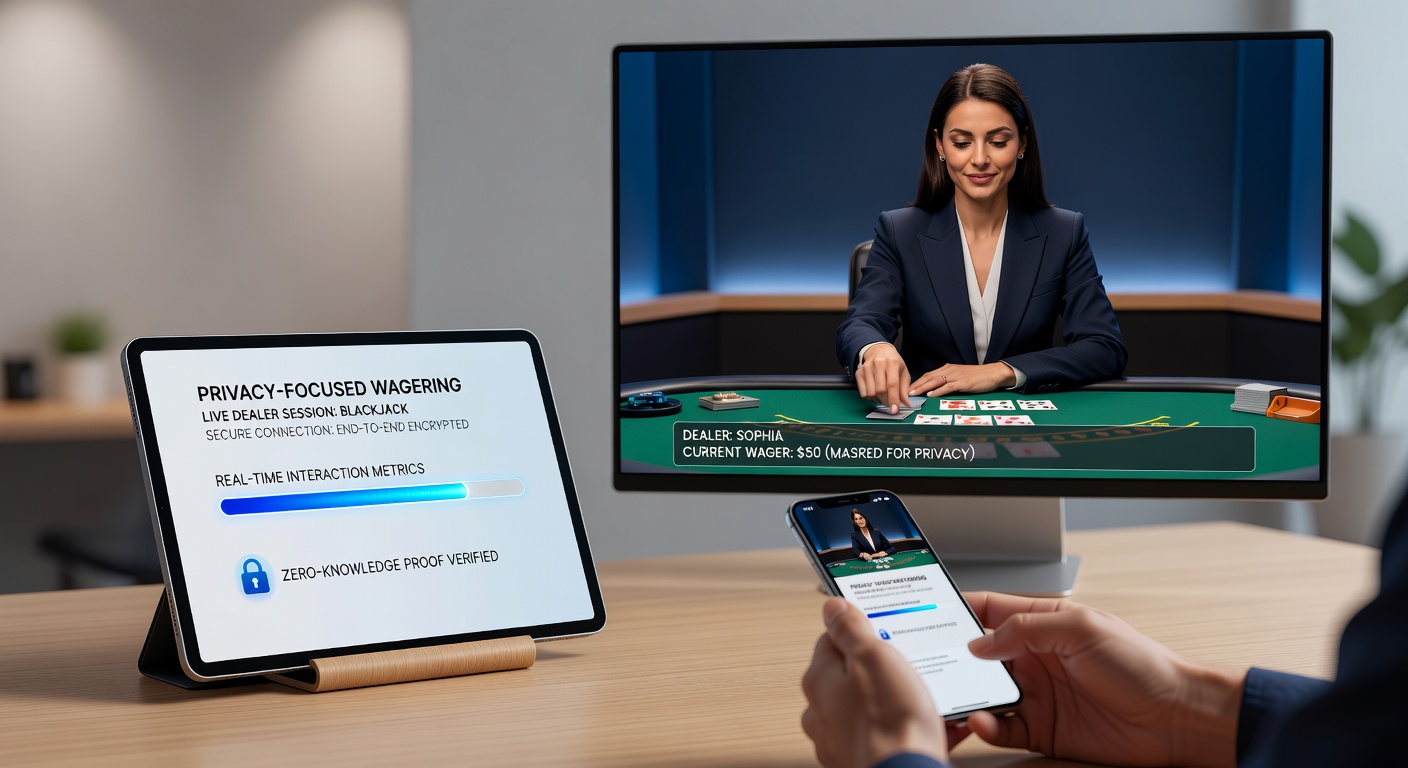
Privacy-oriented sites often embed zero-knowledge verification tools within app frameworks, allowing seamless transitions between account management and live tables. Studies found that integrated biometric shortcuts, such as fingerprint or facial recognition for session continuity, support uninterrupted dealer engagements, and this approach aligns with broader trends toward minimal data retention policies.
Regional Trends Emerging in Mid-2026
By June 2026, several Caribbean-licensed operators reported expanded adoption of augmented reality overlays within their apps, and these enhancements project virtual dealer elements onto player screens during standard streams. Figures reveal that user retention climbed notably at destinations prioritizing such hybrid interfaces, because real-time feedback mechanisms let participants adjust strategies mid-hand without leaving the app environment.
Industry reports from the European Gaming and Betting Association indicate that cross-platform compatibility updates improved live dealer accessibility for privacy-focused users across multiple devices. Meanwhile, Canadian research institutions documented how gesture controls reduce cognitive load during high-stakes table sessions, enabling faster decision-making while dealer interactions unfold.
Technical Synergies Between Design and Live Streaming
Backend architectures now prioritize API connections that link app frontends directly to dealer studio feeds, and this architecture supports instant synchronization of bet placements with video timestamps. Those who've studied platform performance note that edge computing nodes positioned near user regions cut buffering during peak hours, which keeps dealer conversations and card reveals fluid even on variable connections.
Notification systems integrated into interfaces alert players to table openings or dealer shifts without pulling them away from active sessions, whereas push-based updates maintain engagement across extended play periods. Data shows that platforms incorporating these elements experience fewer drop-offs mid-game, because users receive contextual prompts tailored to their current table position and betting history.
Security Layers Supporting Anonymous Live Play
End-to-end encryption wraps both interface commands and live video transmissions at privacy-centric destinations, and this dual protection shields user identities while preserving the authenticity of dealer interactions. Observers note that decentralized storage solutions for session logs further limit data exposure, allowing participants to focus on real-time decisions rather than account traceability concerns.
Multi-factor authentication bypass options appear in select apps through carrier-linked methods, and these streamline entry into live dealer lobbies without compromising ongoing privacy standards. Research indicates that such layered approaches correlate with higher participation rates in regions where regulatory scrutiny emphasizes data minimization over traditional KYC processes.
Future Interface Evolutions for Dealer-Centric Experiences
Developers continue refining voice-command integrations that let users instruct dealers or adjust wagers hands-free, and early deployments demonstrate compatibility with existing live streaming setups. What's interesting is how adaptive interfaces learn individual play patterns to surface relevant dealer tables automatically, which reduces search time and enhances spontaneous engagement opportunities.
Global gaming associations have tracked these developments through 2026, highlighting how privacy safeguards evolve alongside interface sophistication without introducing new verification bottlenecks. The reality is that seamless interplay between design and live elements now defines operational standards at destinations focused on discreet access.
Conclusion
App interfaces and real-time dealer engagements continue converging at privacy-focused wagering destinations through targeted design choices and technical integrations. Evidence suggests these connections deliver efficient, anonymous play experiences that align with evolving user expectations across international markets.